UCT POLAR RESEARCH PROJECT
PROJECT INFORMATION
CLIENT: University of Cape Town
TYPE: Research & Laboratory Facility | Concept Design + Feasibility / OPEX Study
PROJECT VALUE: Confidential
ADDRESS: UCT Upper Campus, Engineering Mall, Cape Town
PROJECT TEAM: Design Network Architects & Urban Designers, Sutherland Structural Engineers, De Villiers & Moore Electrical, Mechanical and Fire Engineers, PJC + Partners Energy Consultants, Factor 6 QS, Tribe Consulting
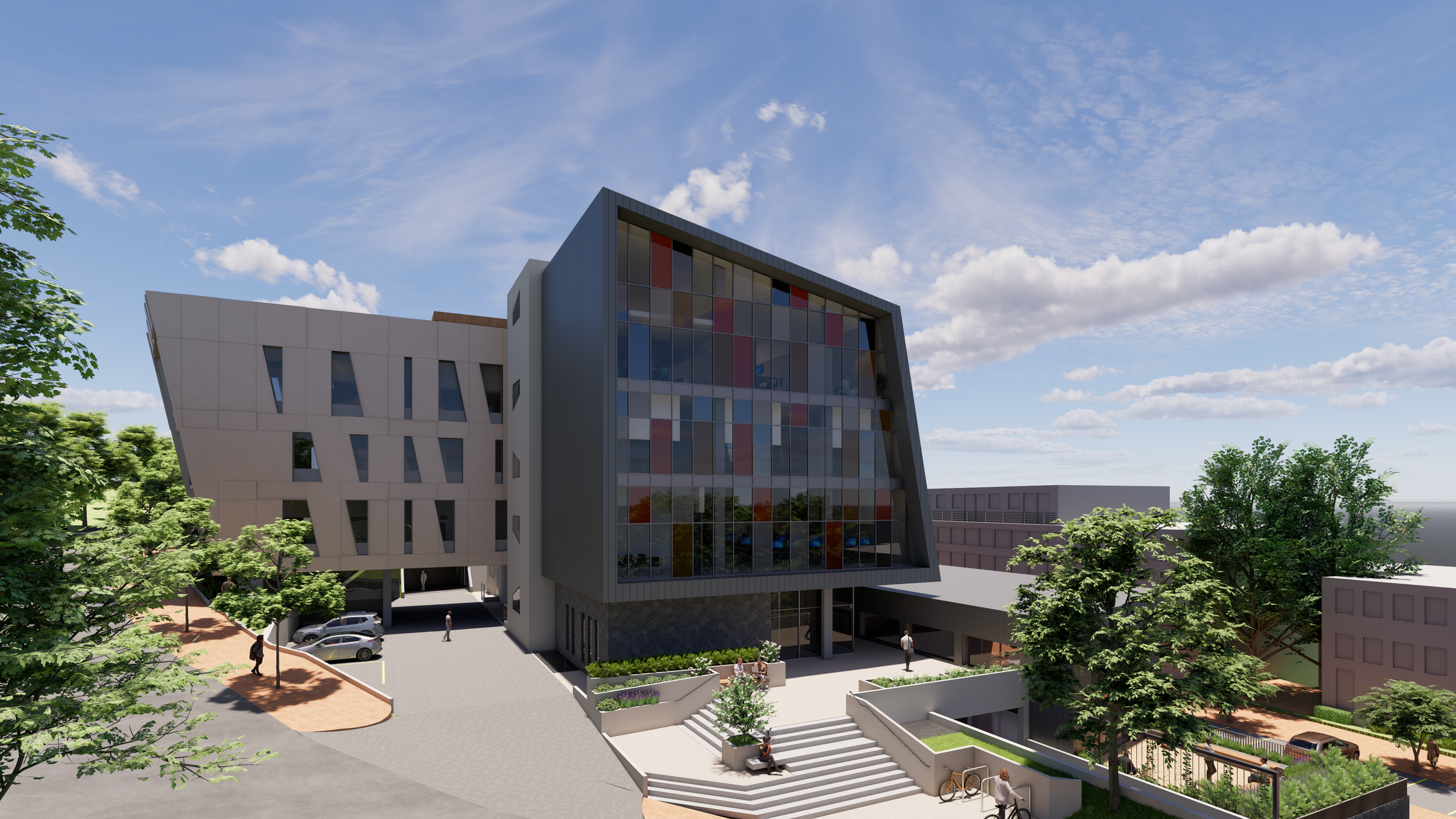
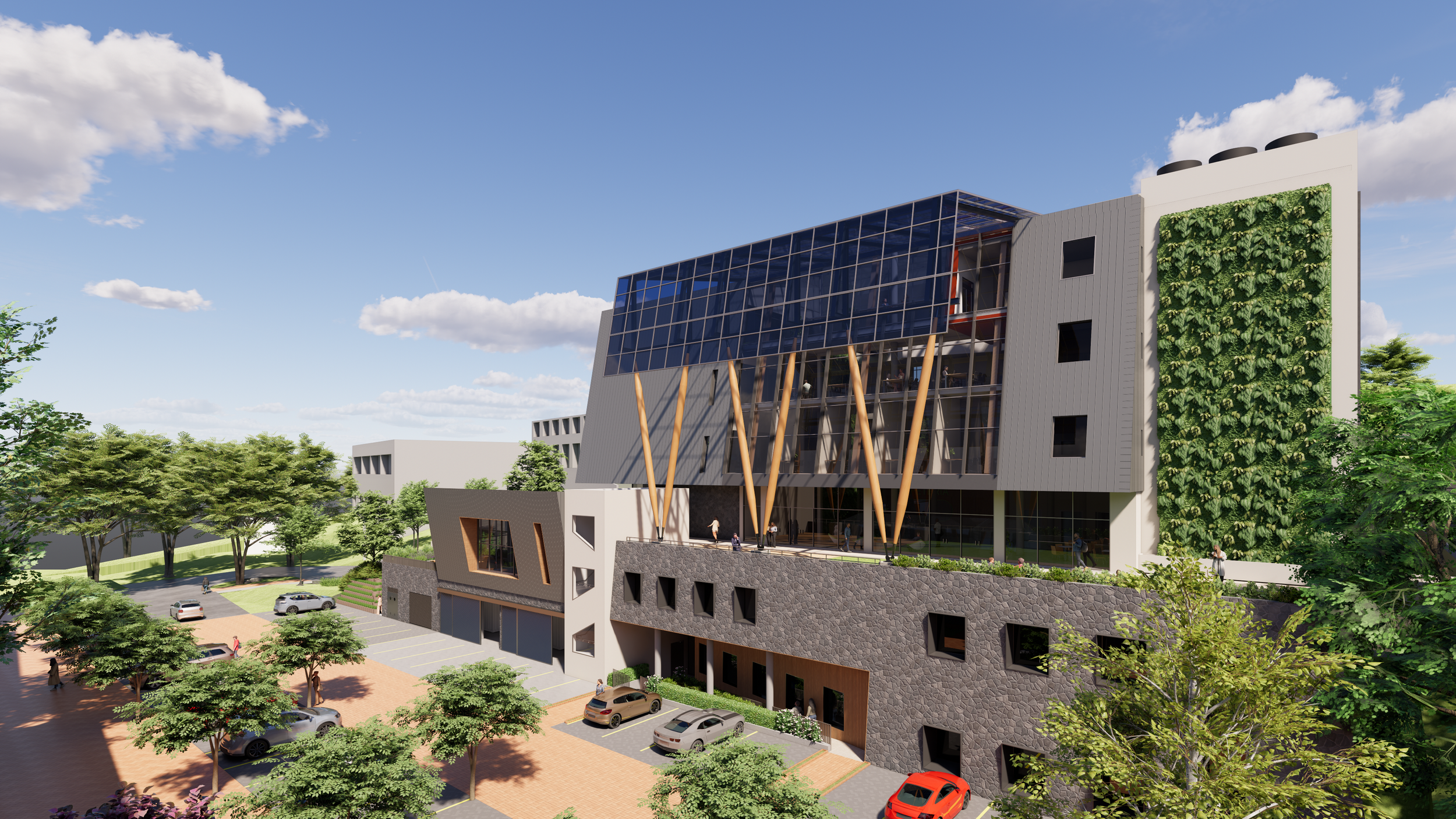
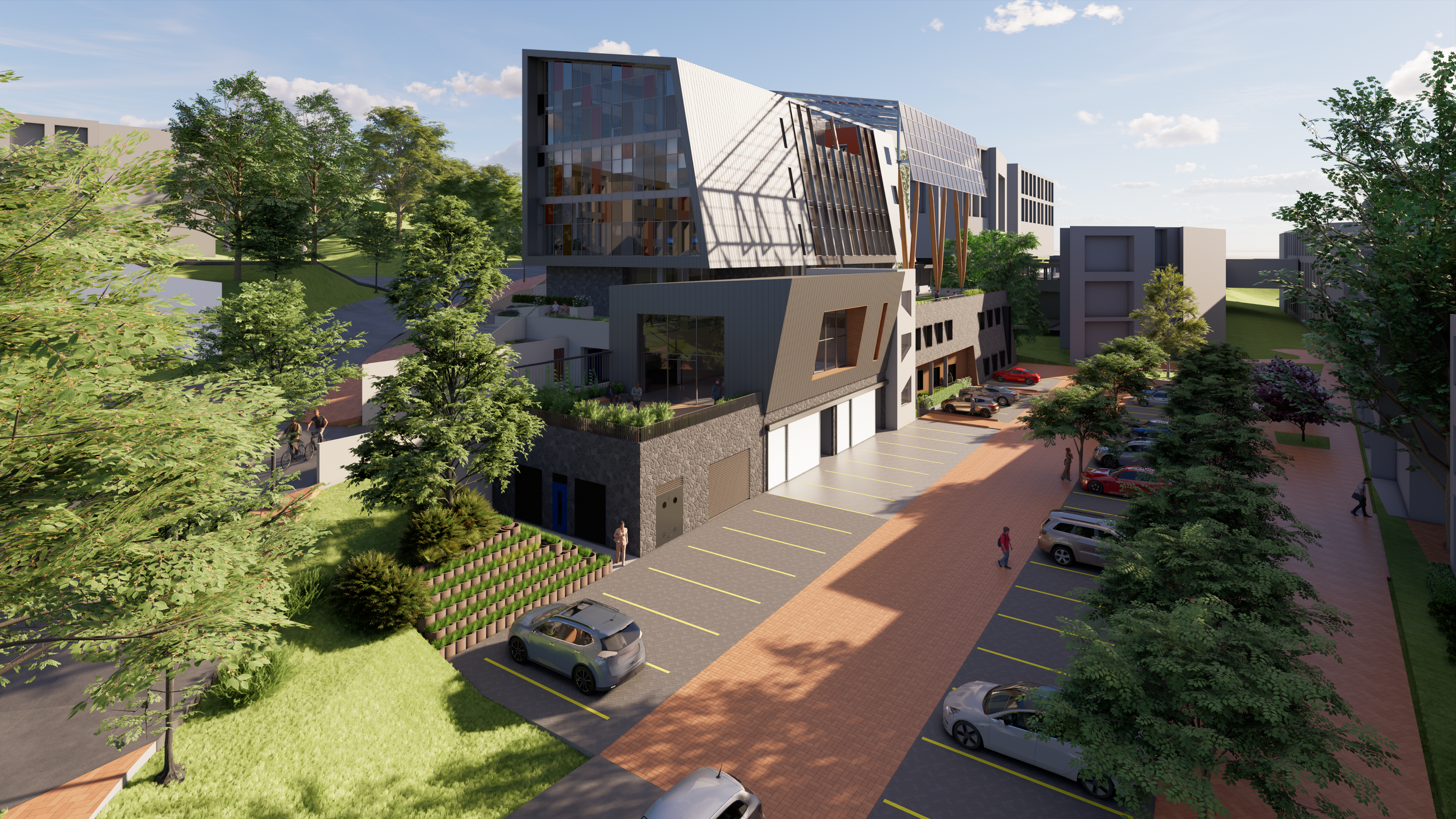
The University of Cape Town’s Digital & Polar Laboratories is a proposed interdisciplinary research facility bringing together climate science, polar research, digital technologies and the study of resilient urban infrastructure. Located on Upper Campus within the Engineering Mall, the project transforms a steep and underused campus site into a landmark research facility designed to support collaboration, teaching and innovation across disciplines.
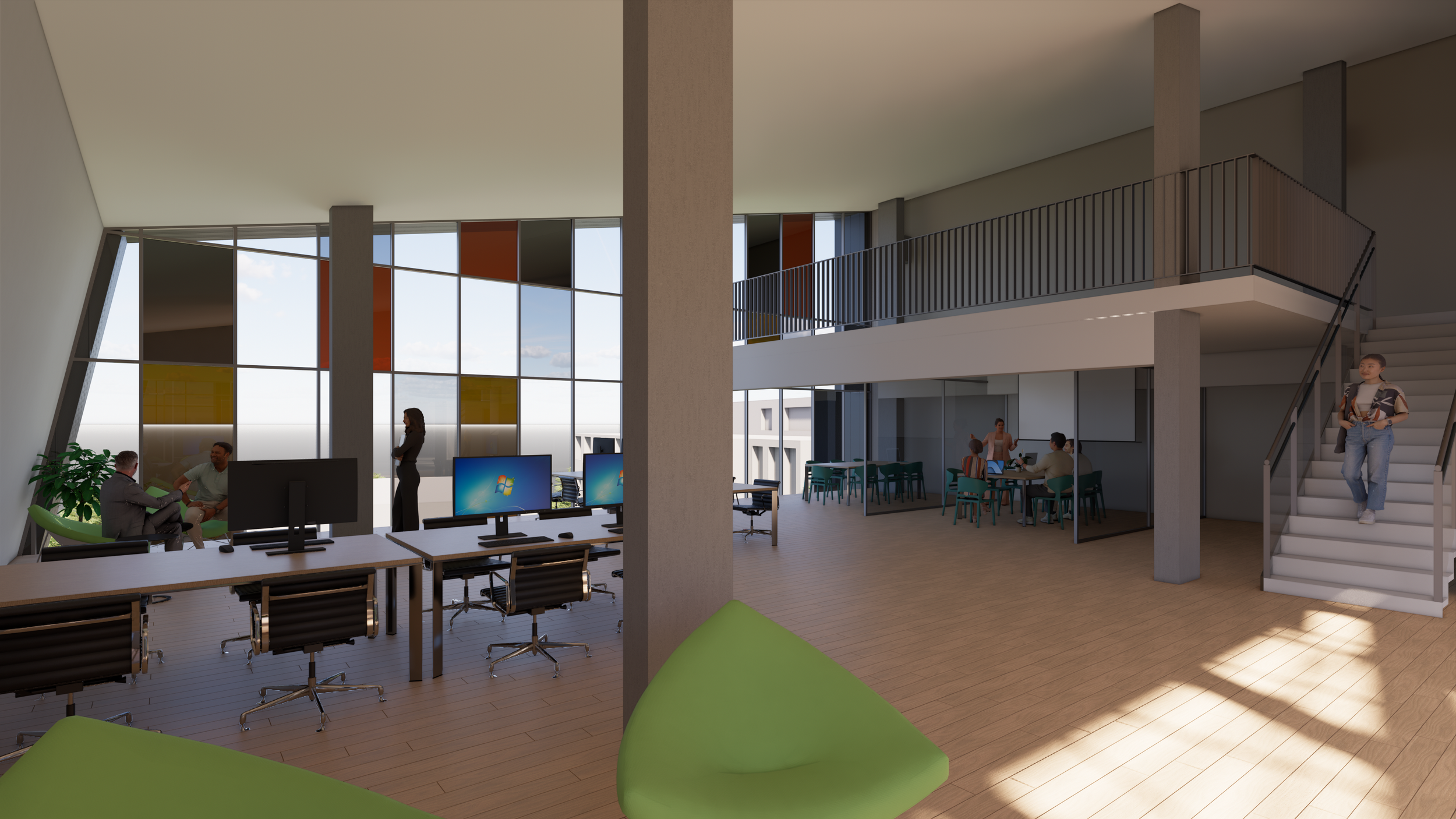
Design Network was awarded the UCT bid in 2022 to develop the concept design, stacking plan and 3D visualisations for the proposed facility, with the design subsequently developed through a feasibility and OPEX study in collaboration with the professional team and UCT’s end-users. The building vertically integrates a diverse programme of highly specialised spaces, from sub-zero and wave flume laboratories within the lower levels to XR, digital sensor, visualisation and drone-testing facilities above.
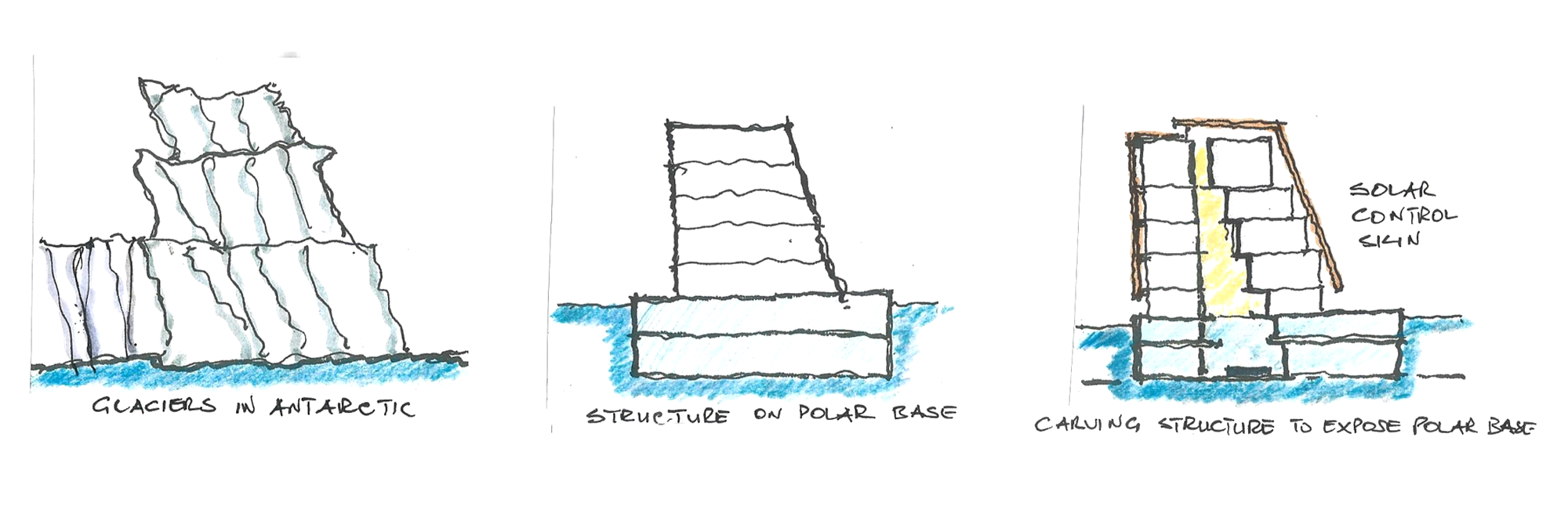
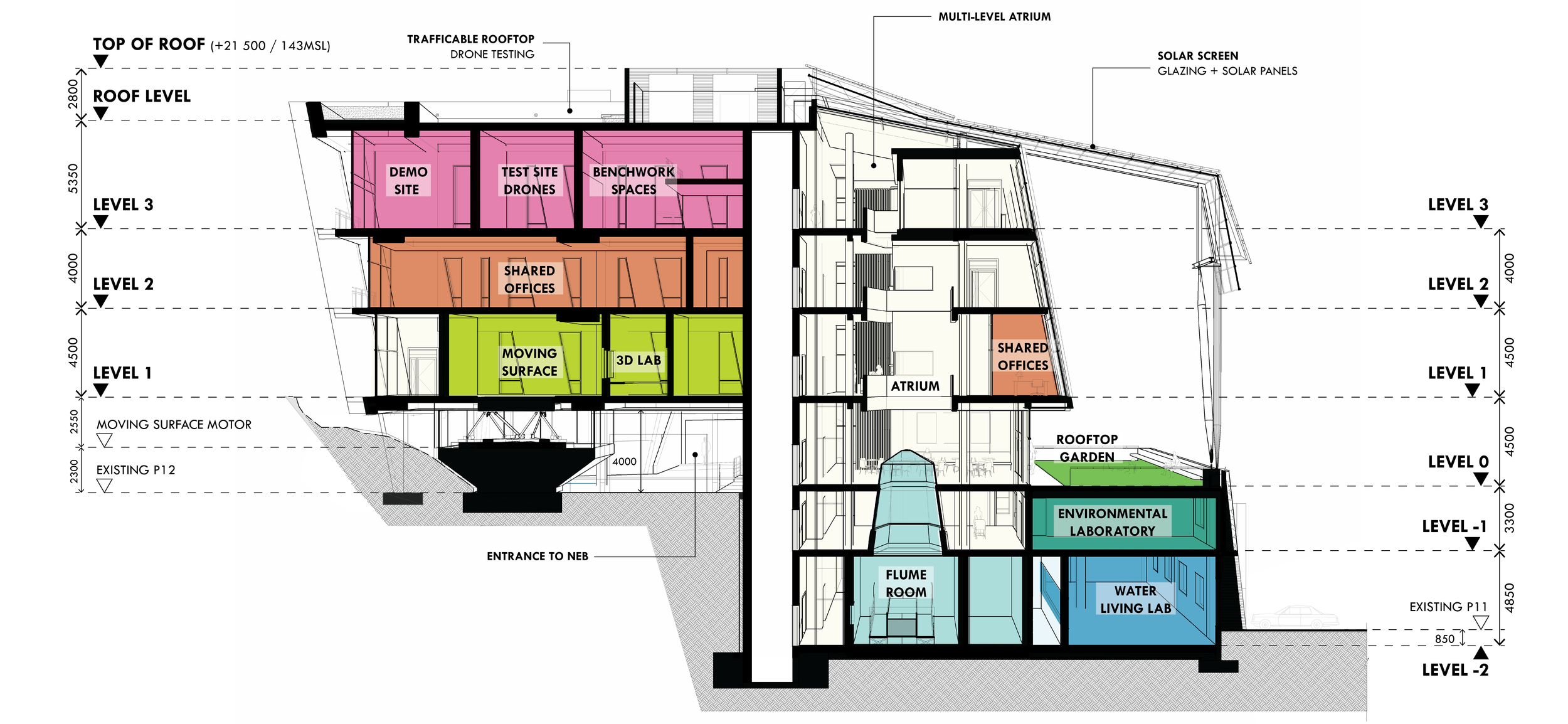
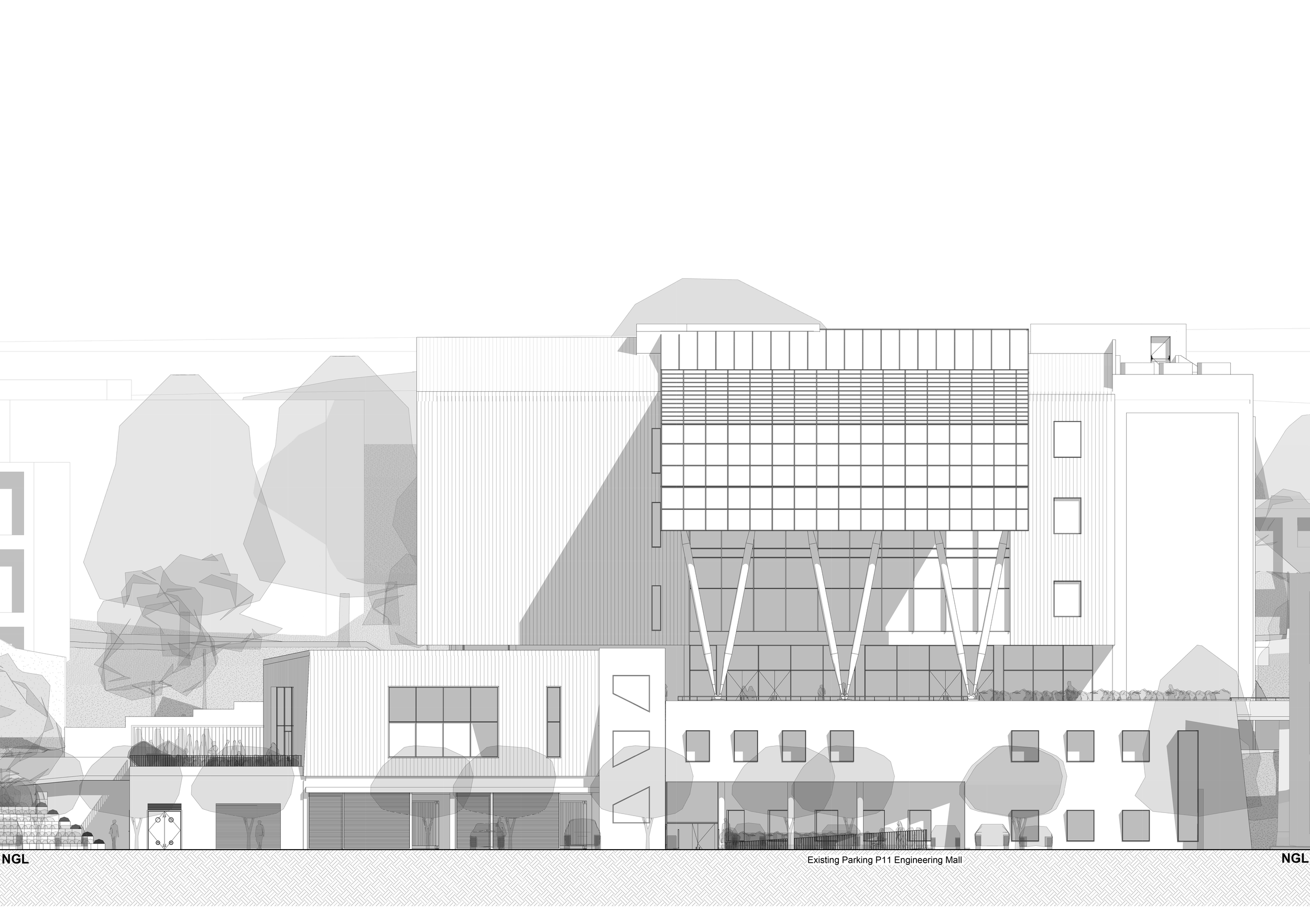
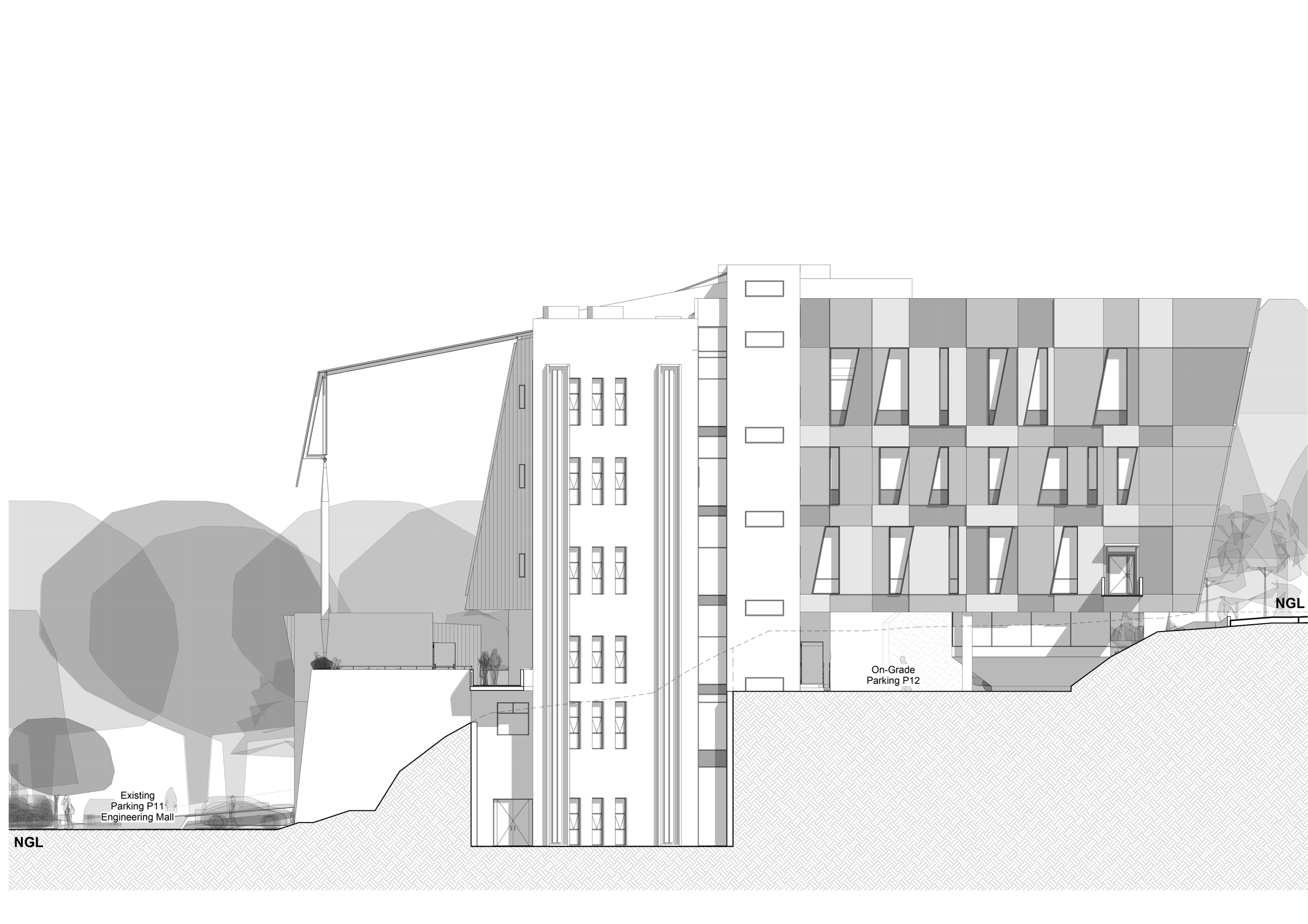
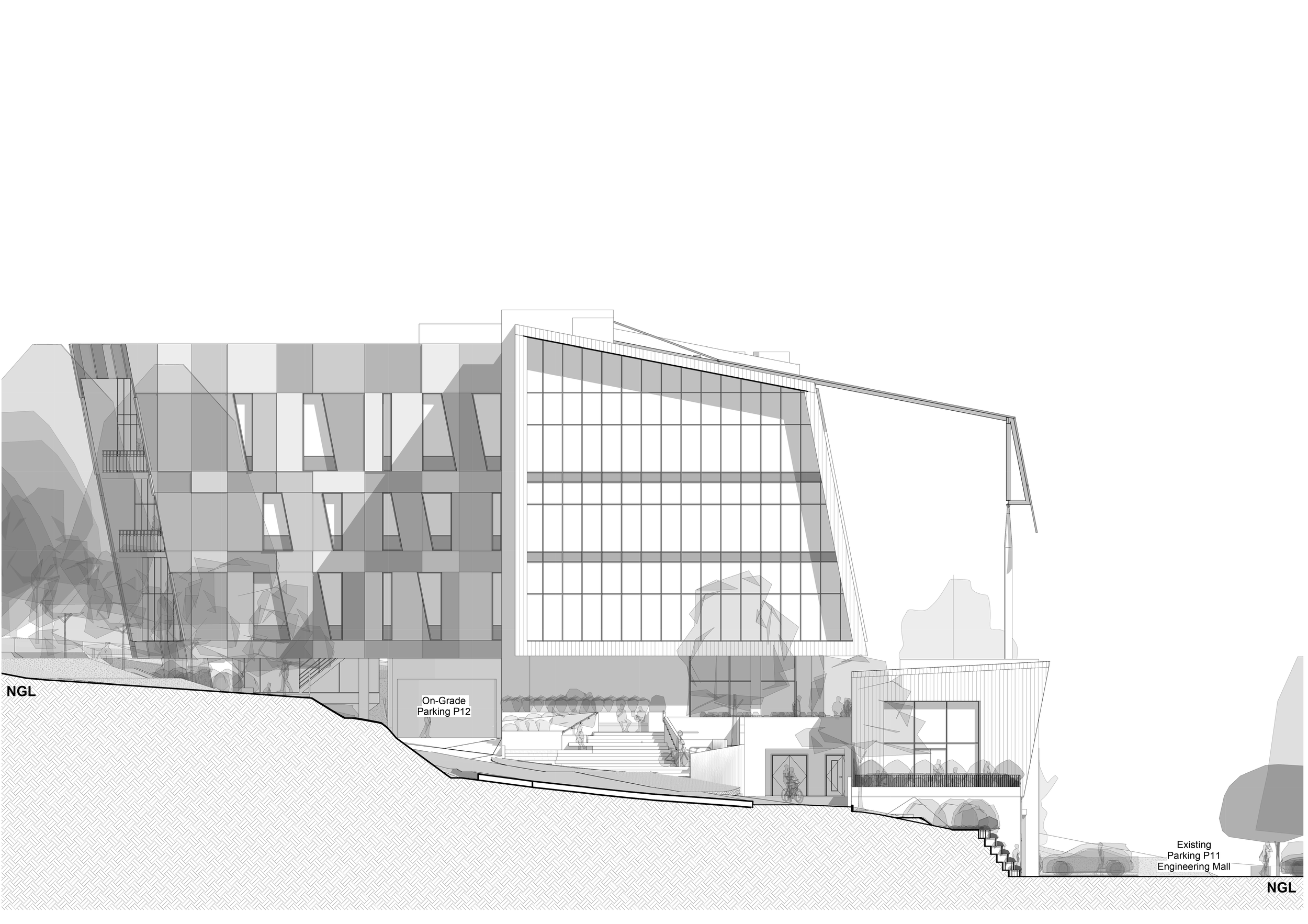
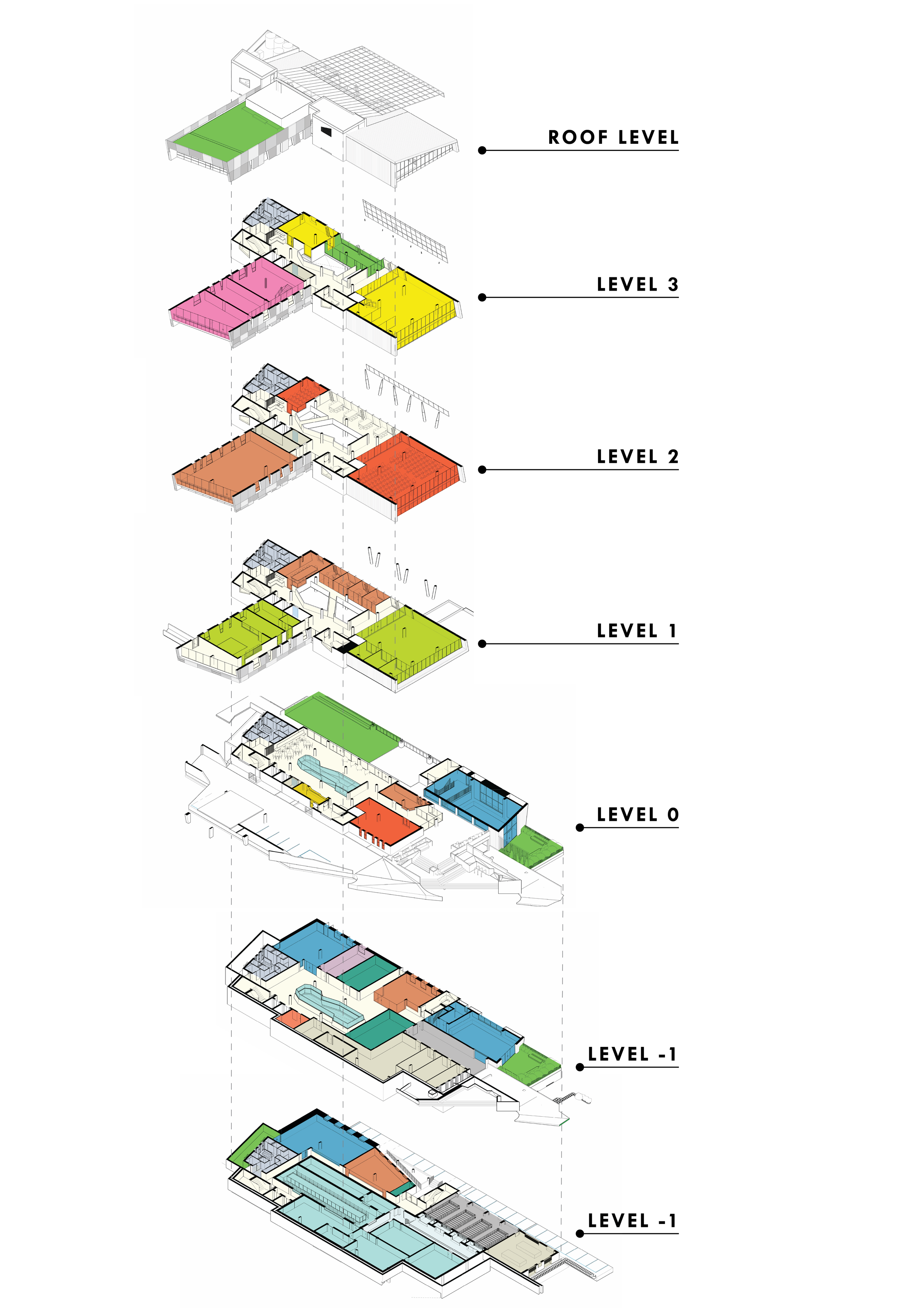
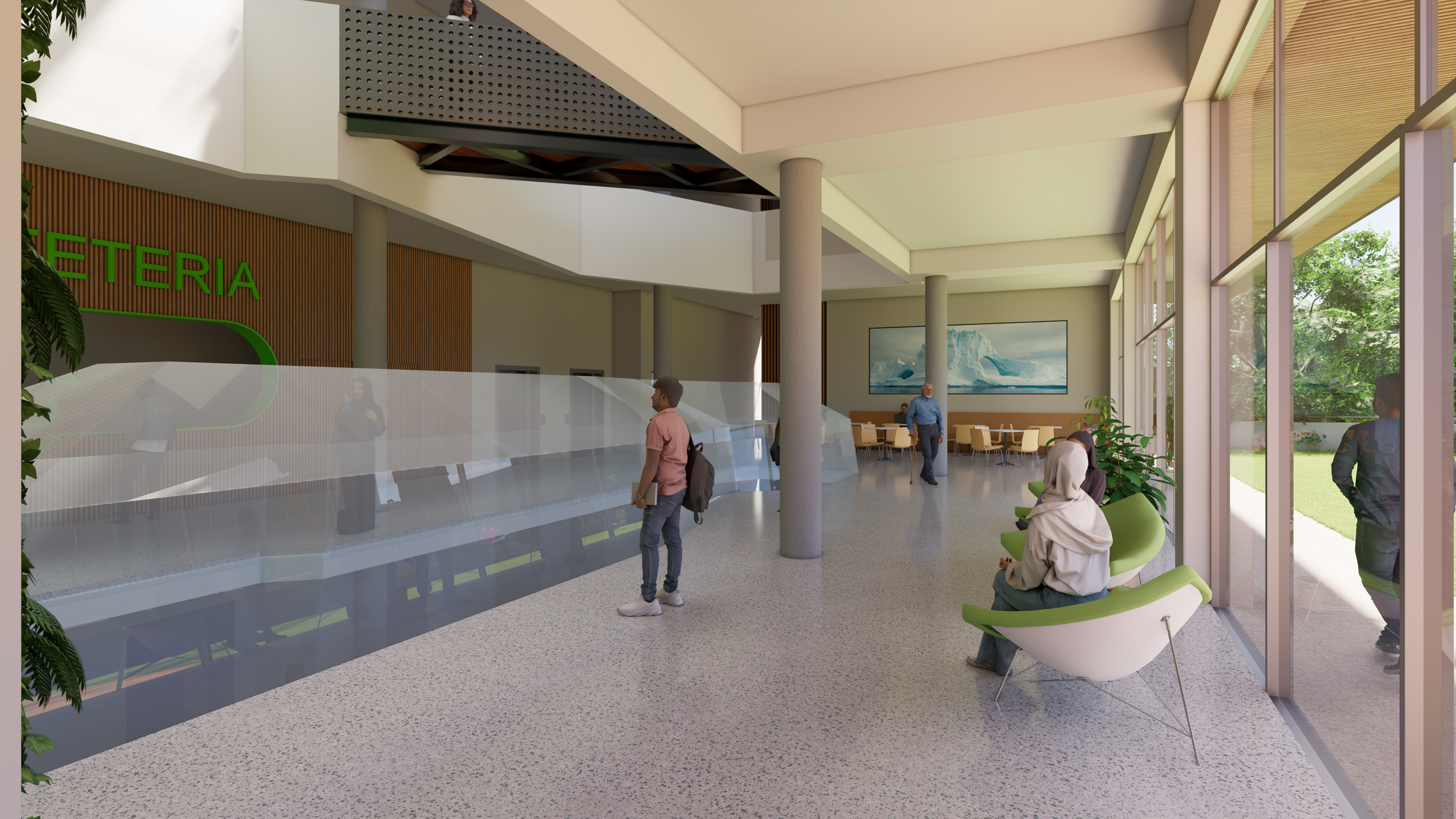
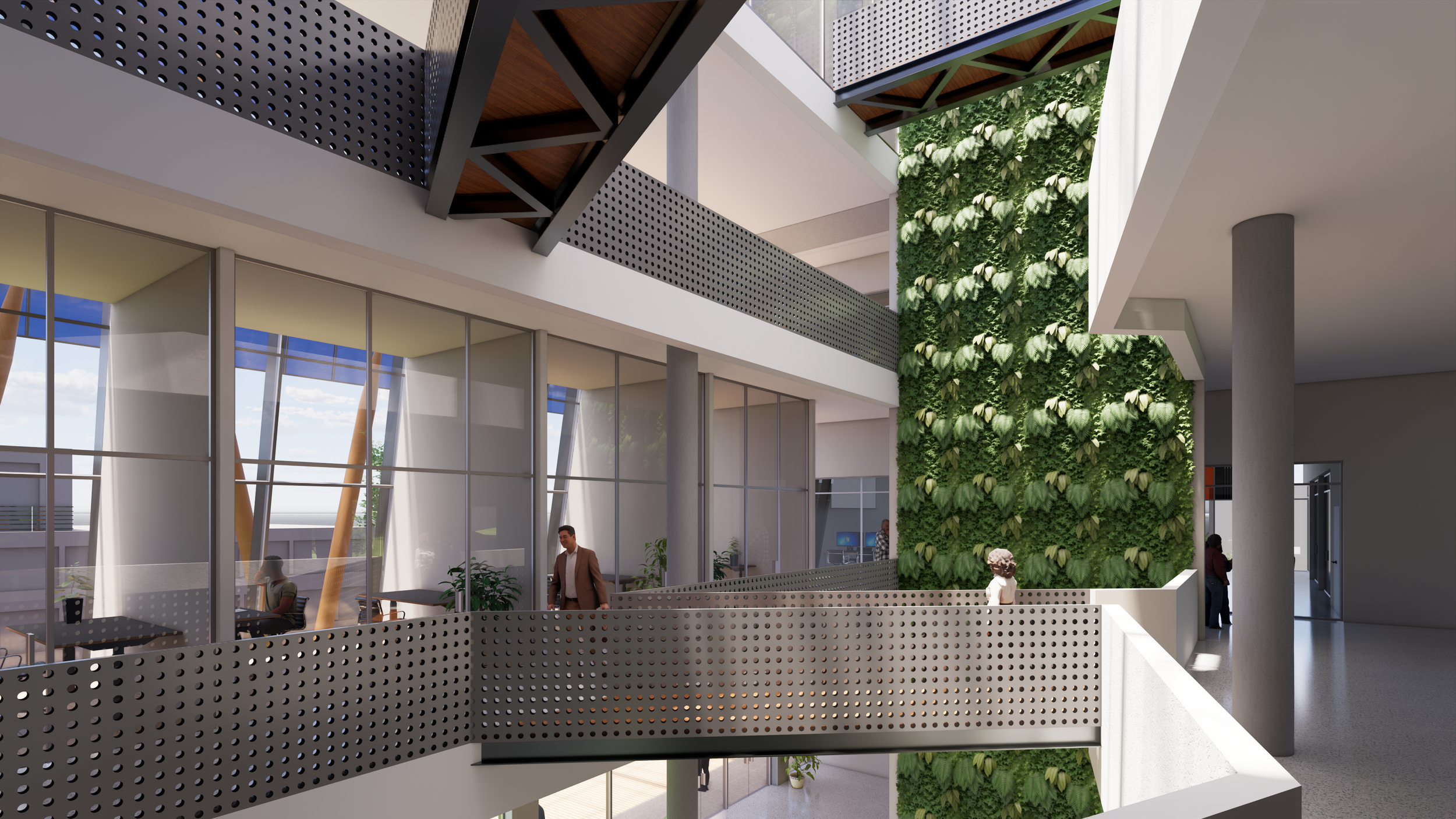
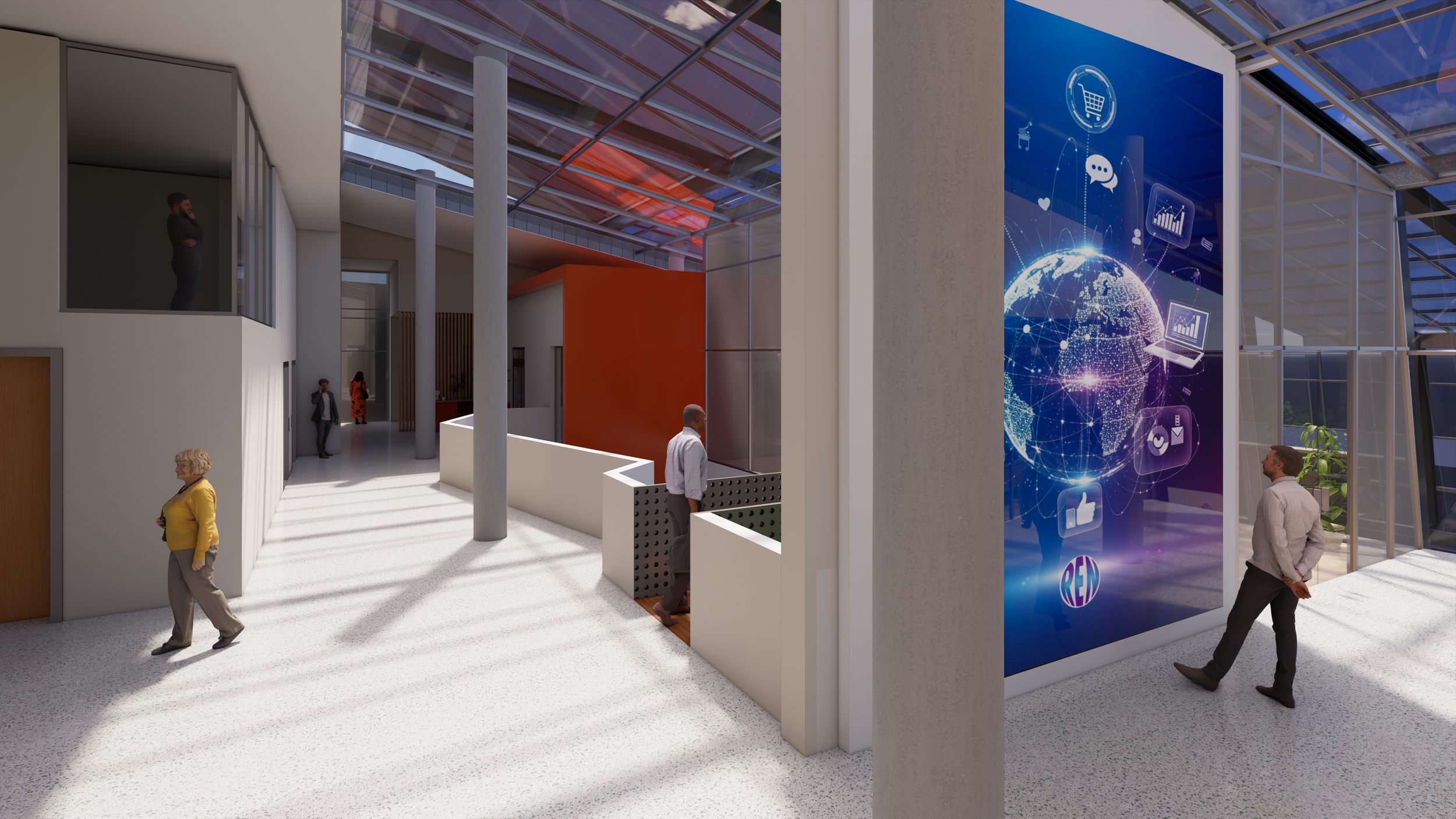
The architectural concept draws inspiration from Antarctic ice formations, envisioning the building as an "urban iceberg" within the UCT campus. A faceted architectural language and protective solar screen respond to the project's climatic and environmental ambitions, while a multi-volume atrium forms the social and experiential heart of the building. Digital displays, an iceberg-inspired installation and a living green wall make the research visible, turning the building itself into a showcase for science and technology.
Sustainability and innovation are embedded throughout the proposal, with photovoltaic solar screens, controlled daylight, energy-efficient systems and living laboratories that support research into resilient and sustainable infrastructure. The facility is conceived not simply as a place for research, but as a living laboratory connecting researchers, students and the wider public with the technologies shaping the future.