KOSOVO Informal Settlement Upgrading
PROJECT INFORMATION
CLIENT: Department of Human Settlements
TYPE: Community
STATUS: Ongoing
COMPLETION: 2017-present
ADDRESS: Philippi, Cape Town
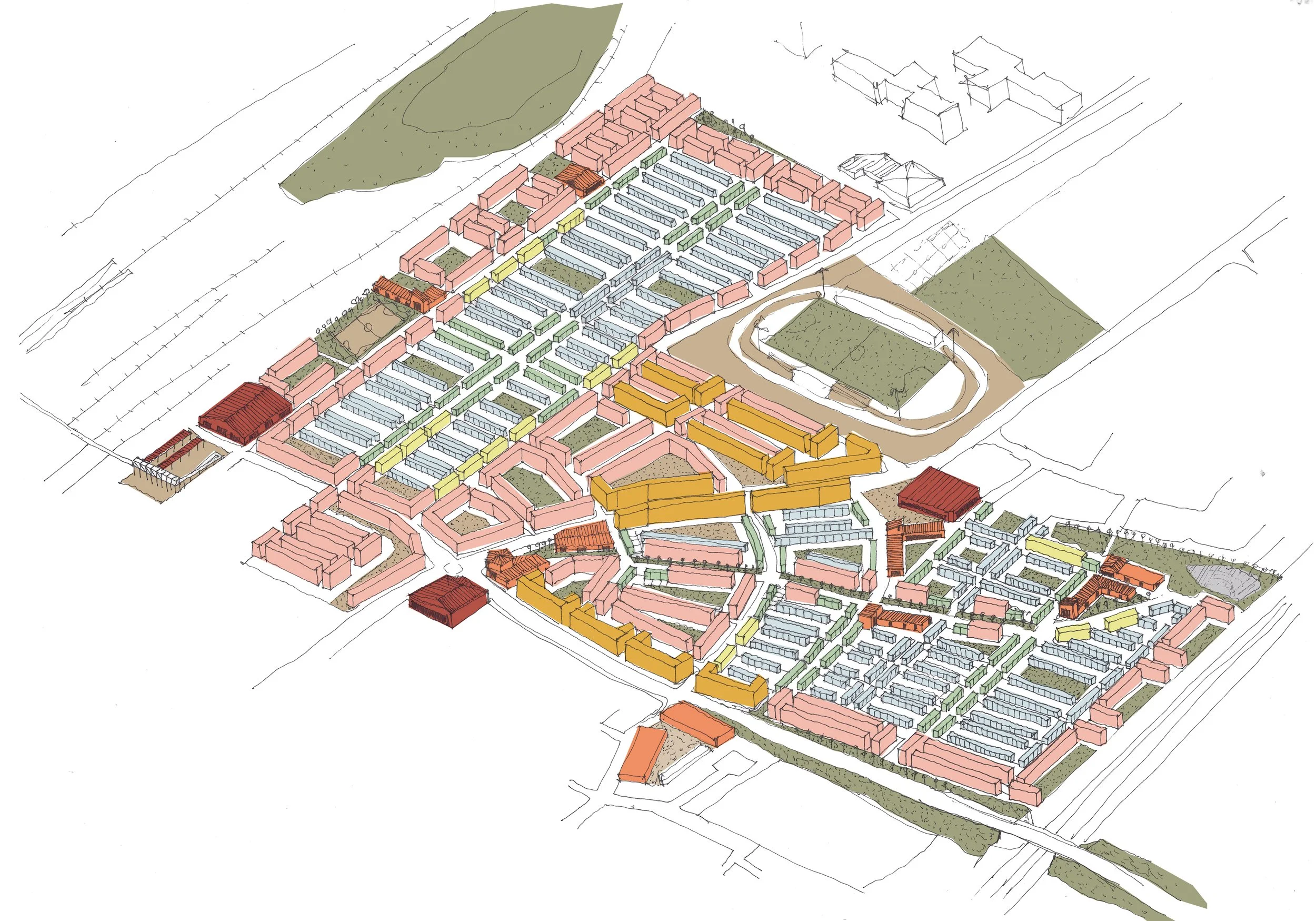
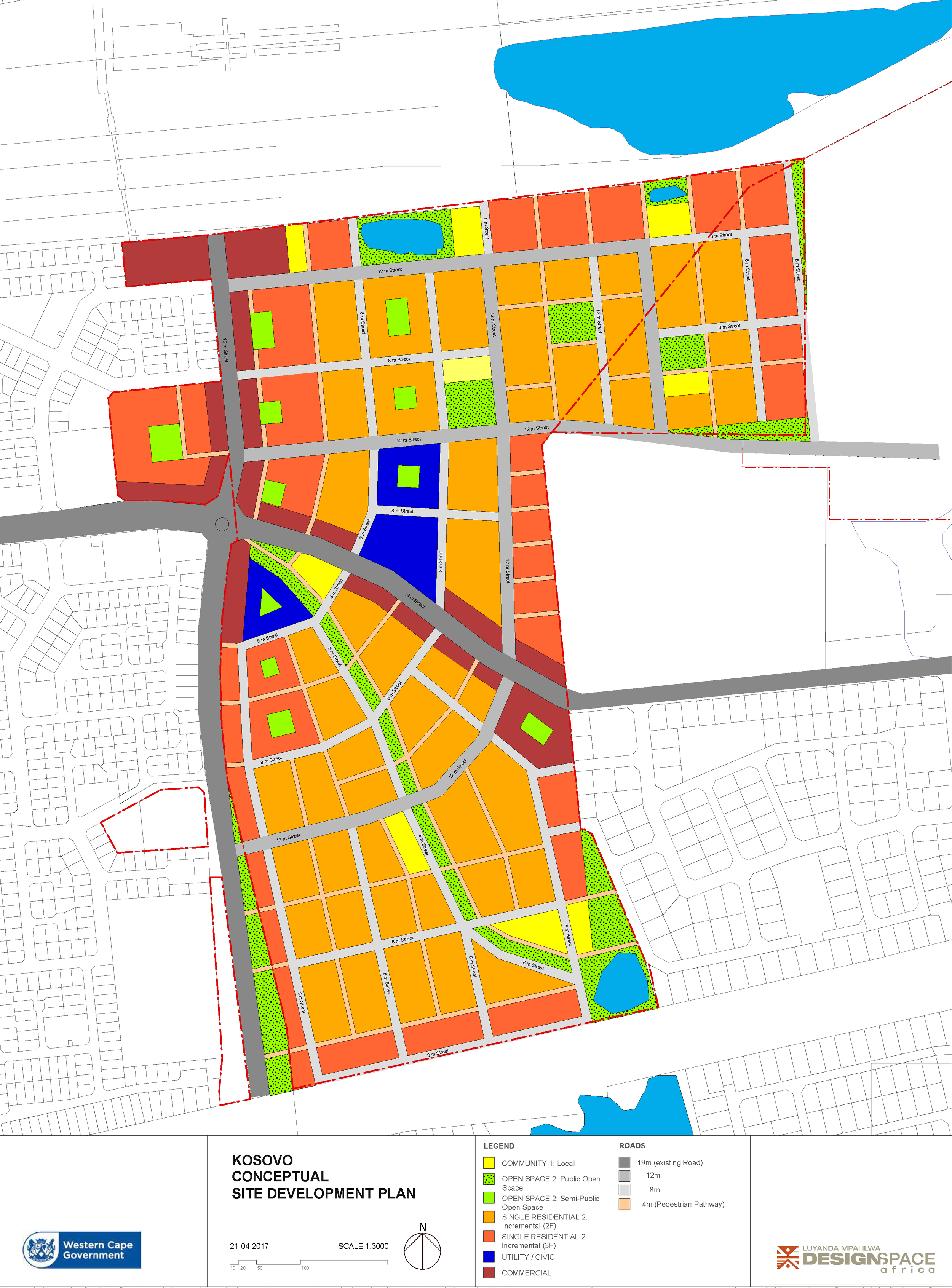
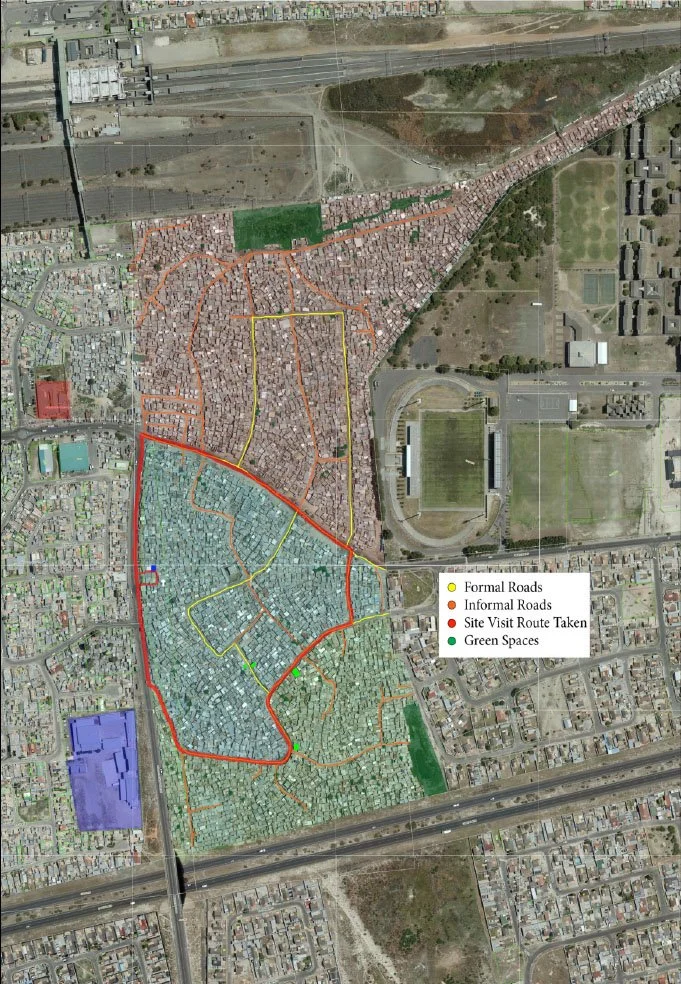
The Kosovo Informal Settlement Upgrading Project forms part of the Southern Corridor Informal Settlement Upgrading Programme, for which Design Network was appointed by the Department of Human Settlements in 2017 to provide architectural and urban design services. Established in 1999, Kosovo occupies approximately 28 hectares and accommodates around 15,000 people across 6,000 informal dwellings. With no formal road network and severely limited infrastructure, including inadequate water and sanitation provision, the project seeks to introduce subsidised housing, infrastructure and improved public environments while responding to the complex social and spatial conditions of an established community.
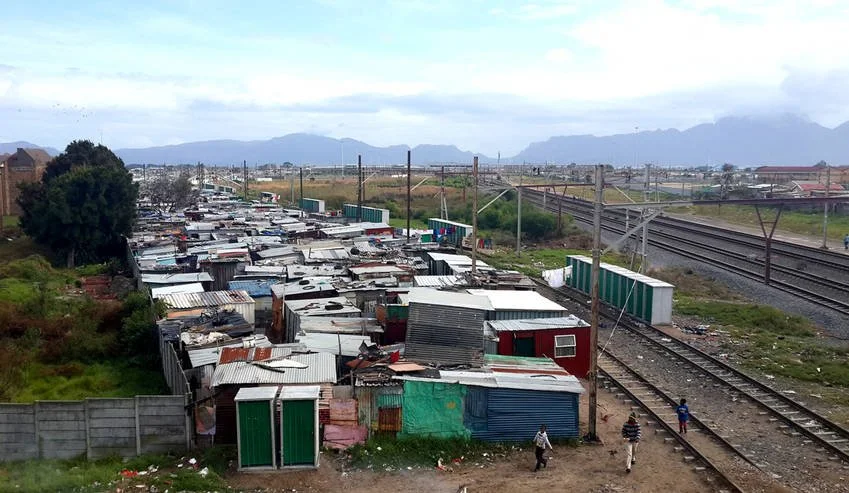
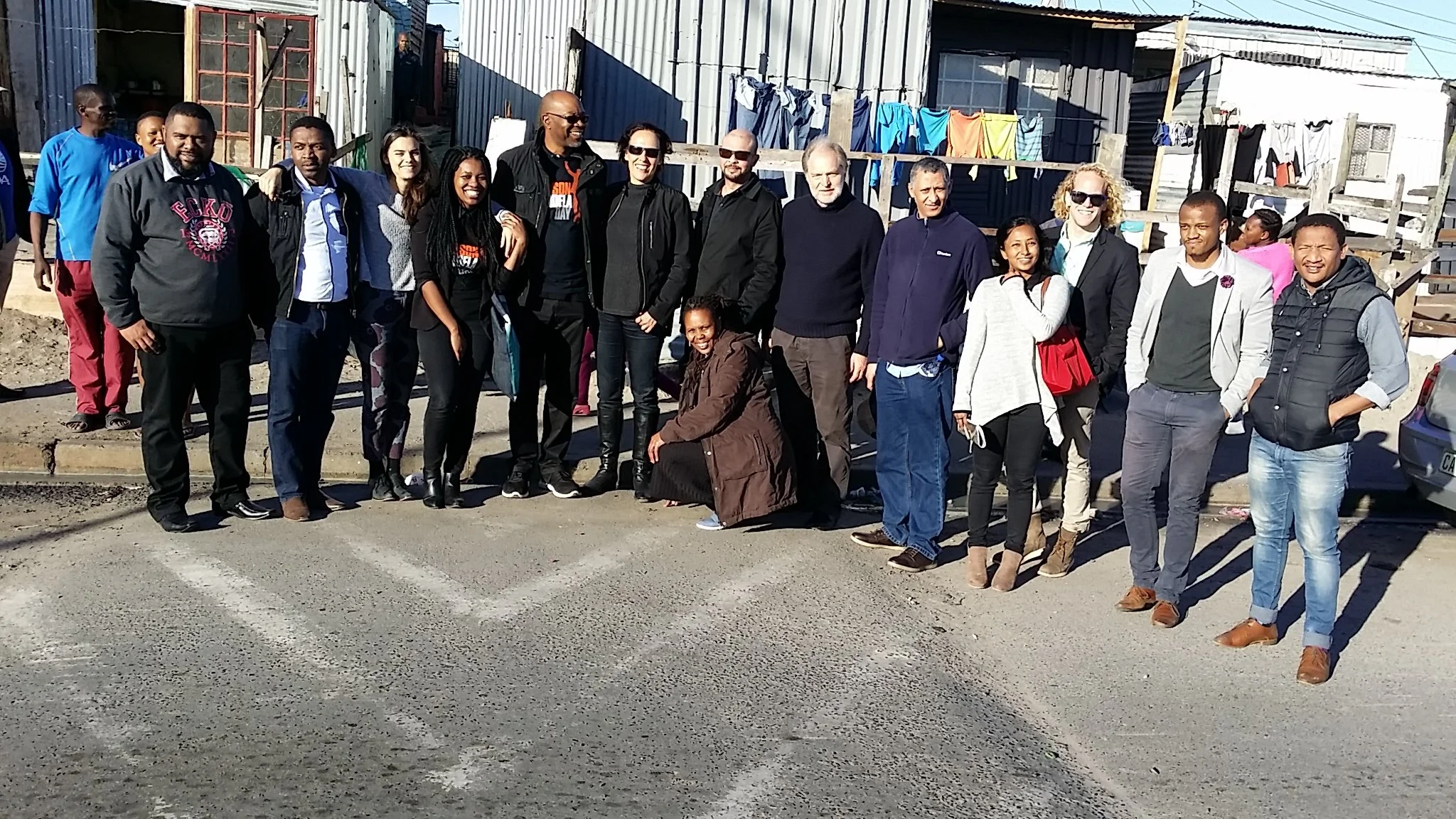
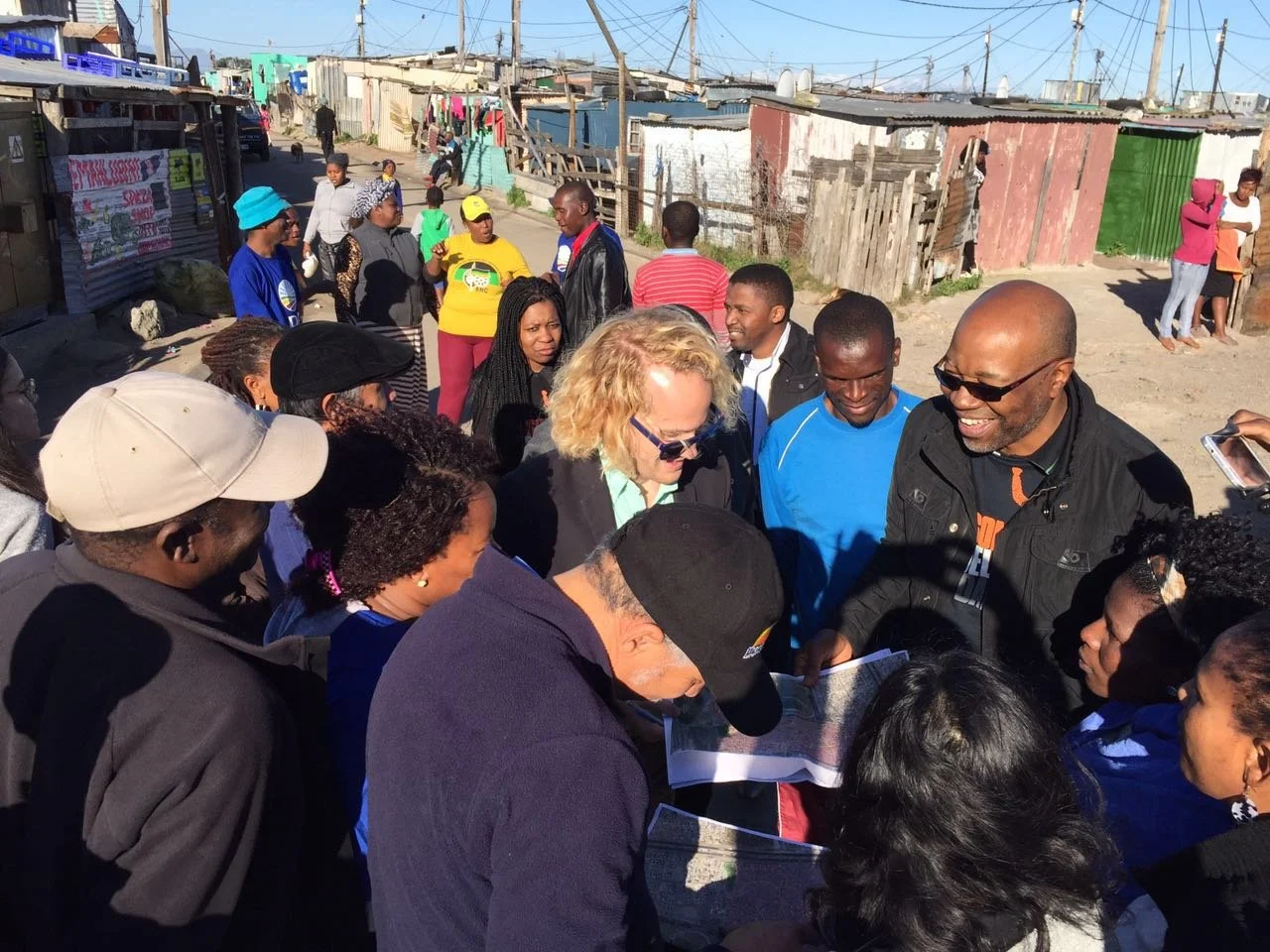
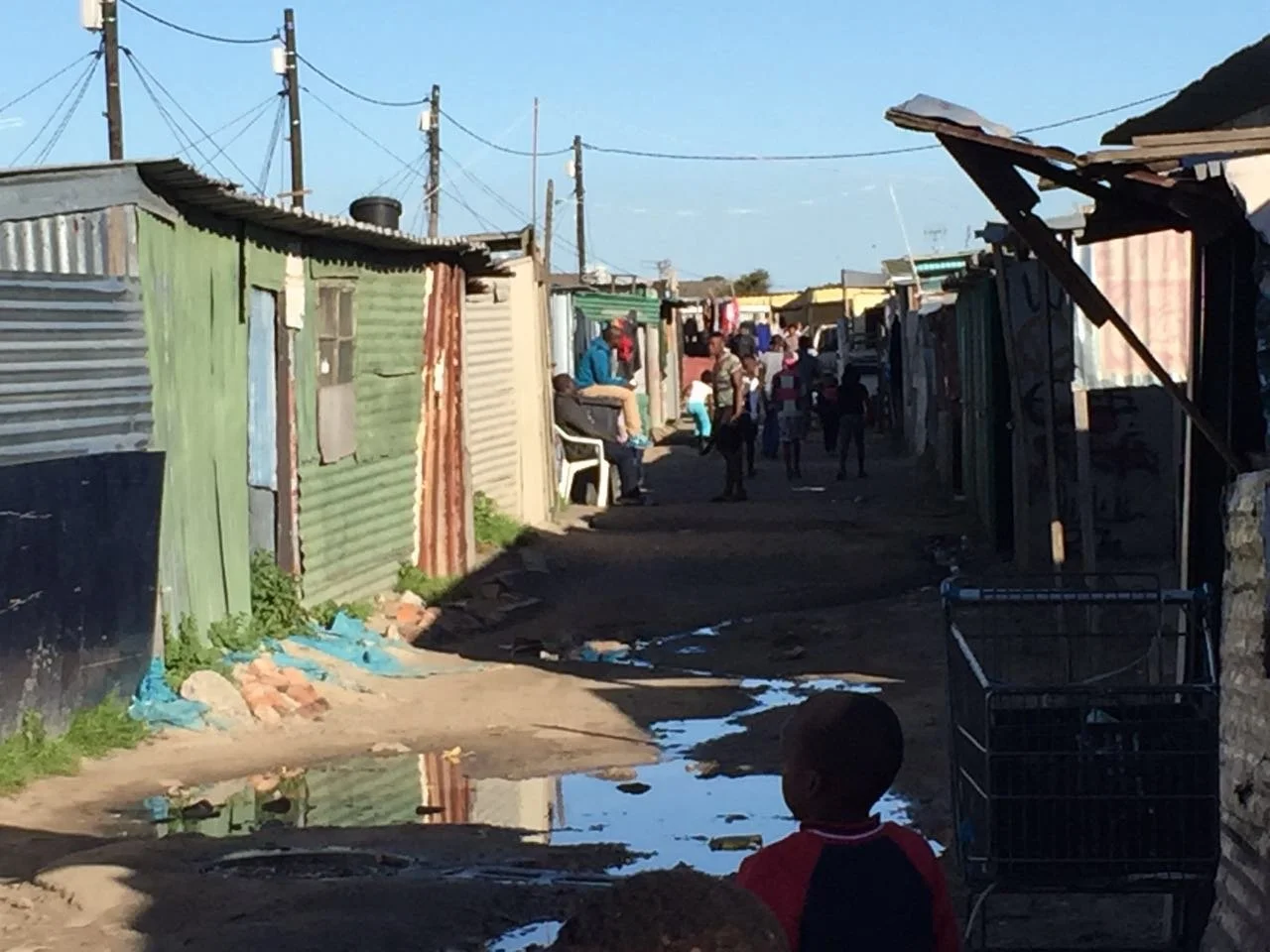
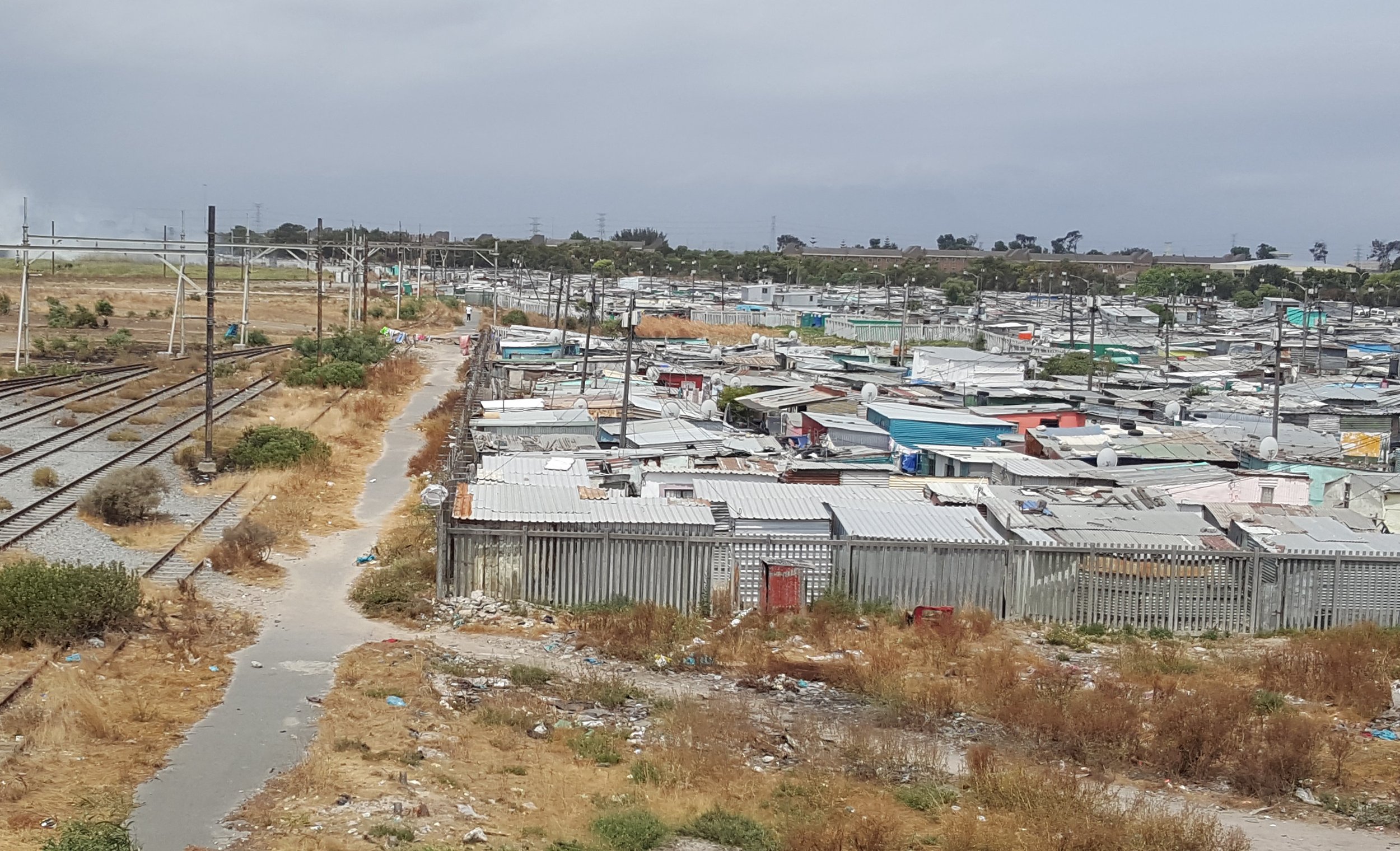
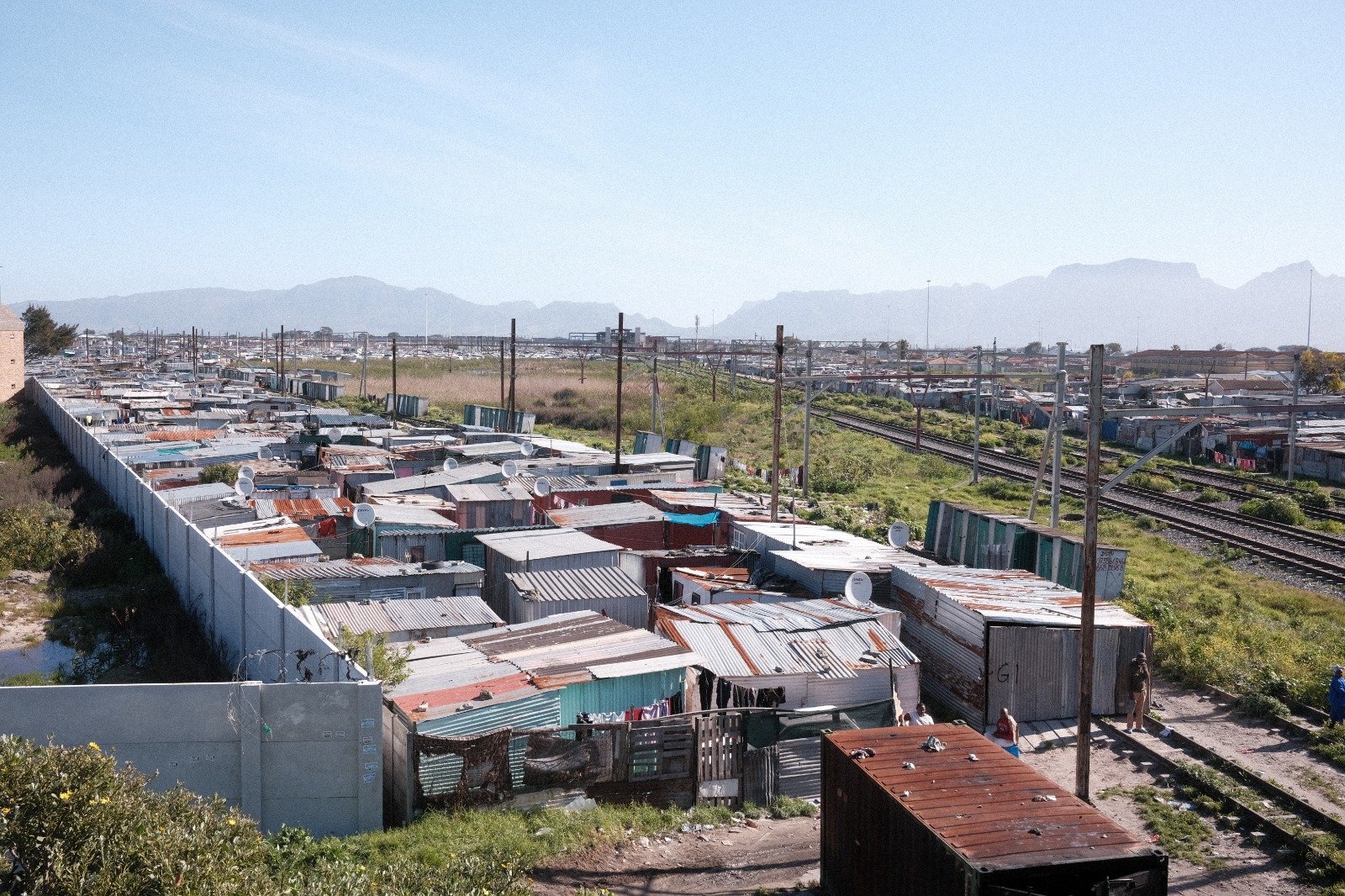
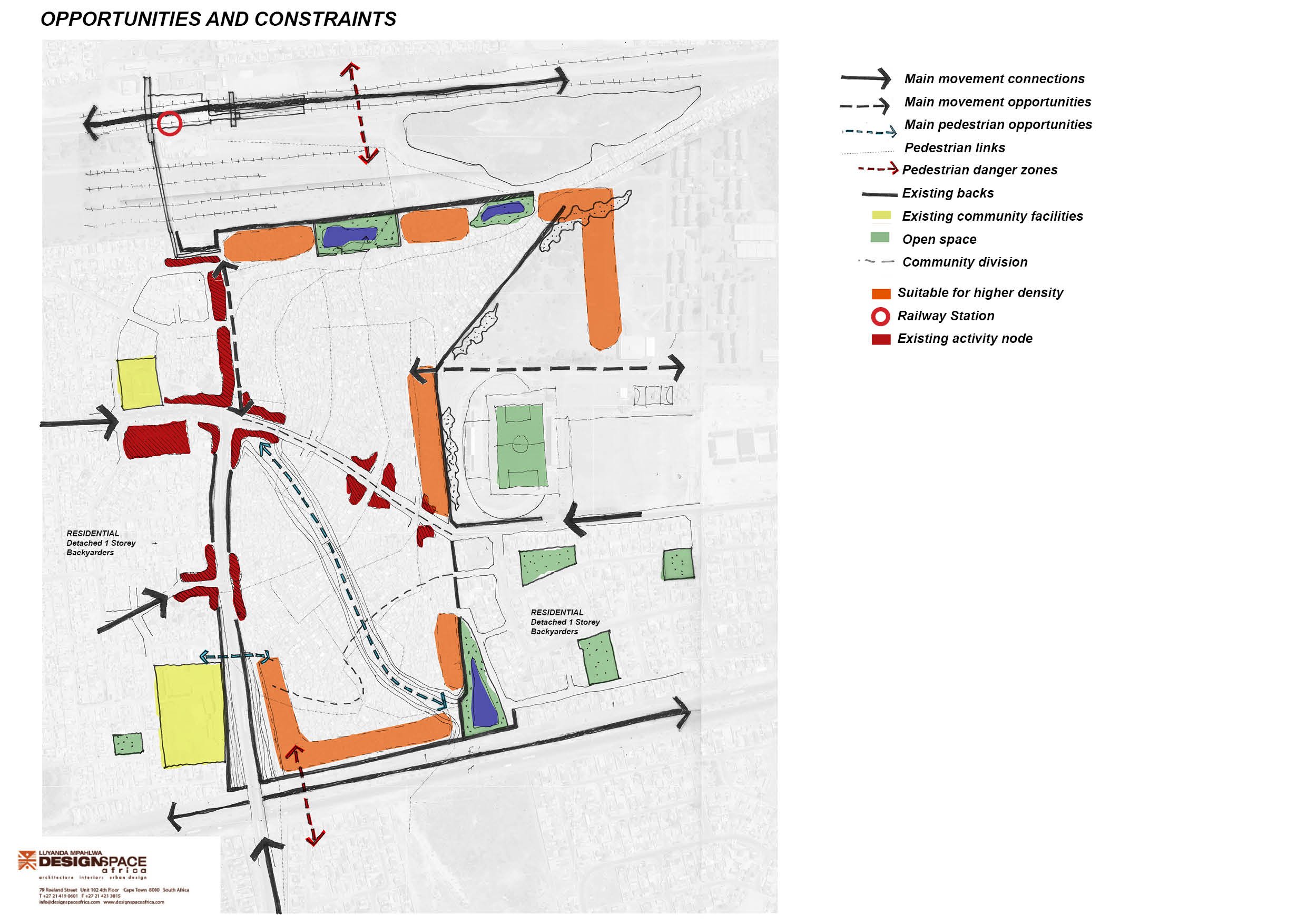
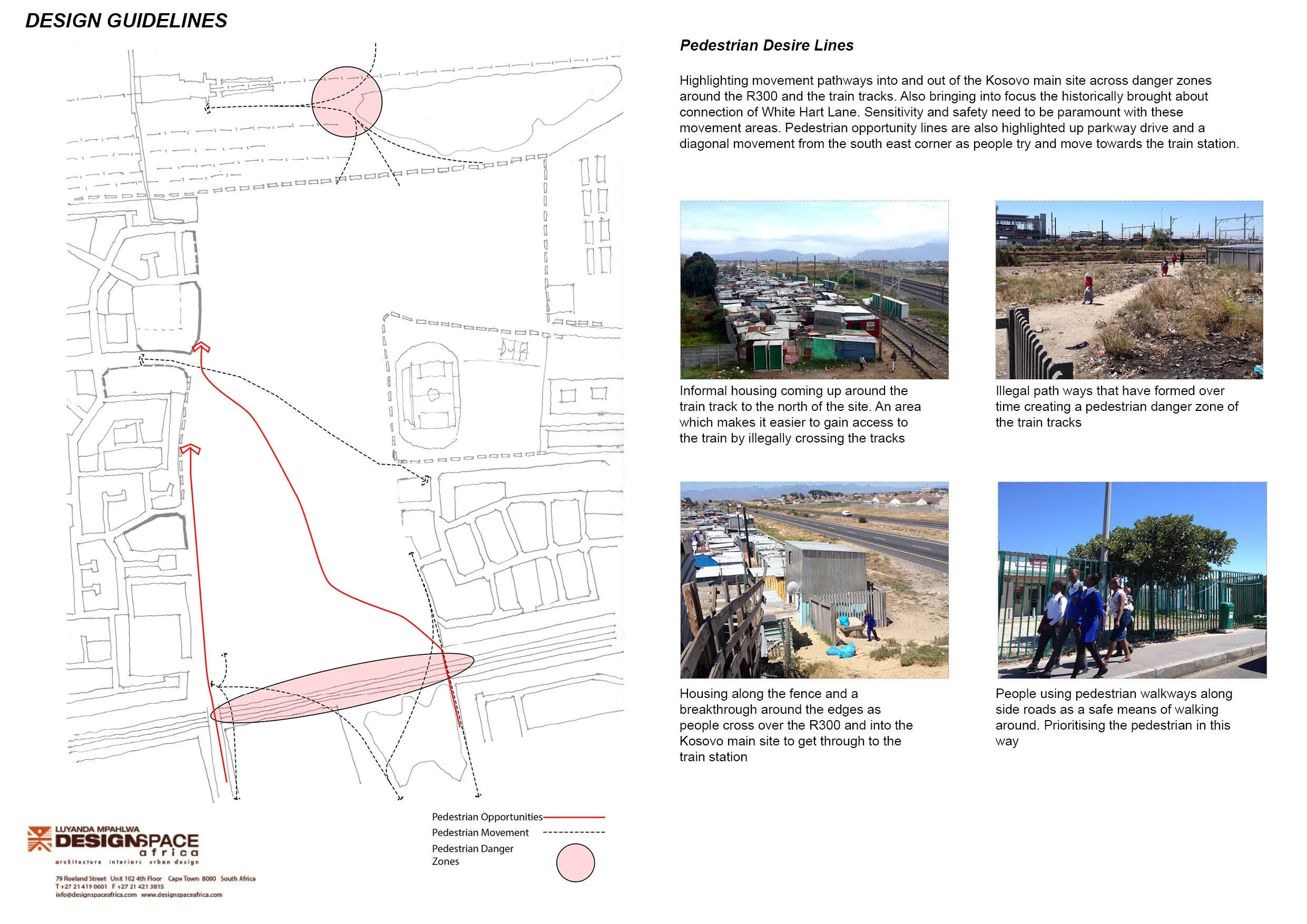
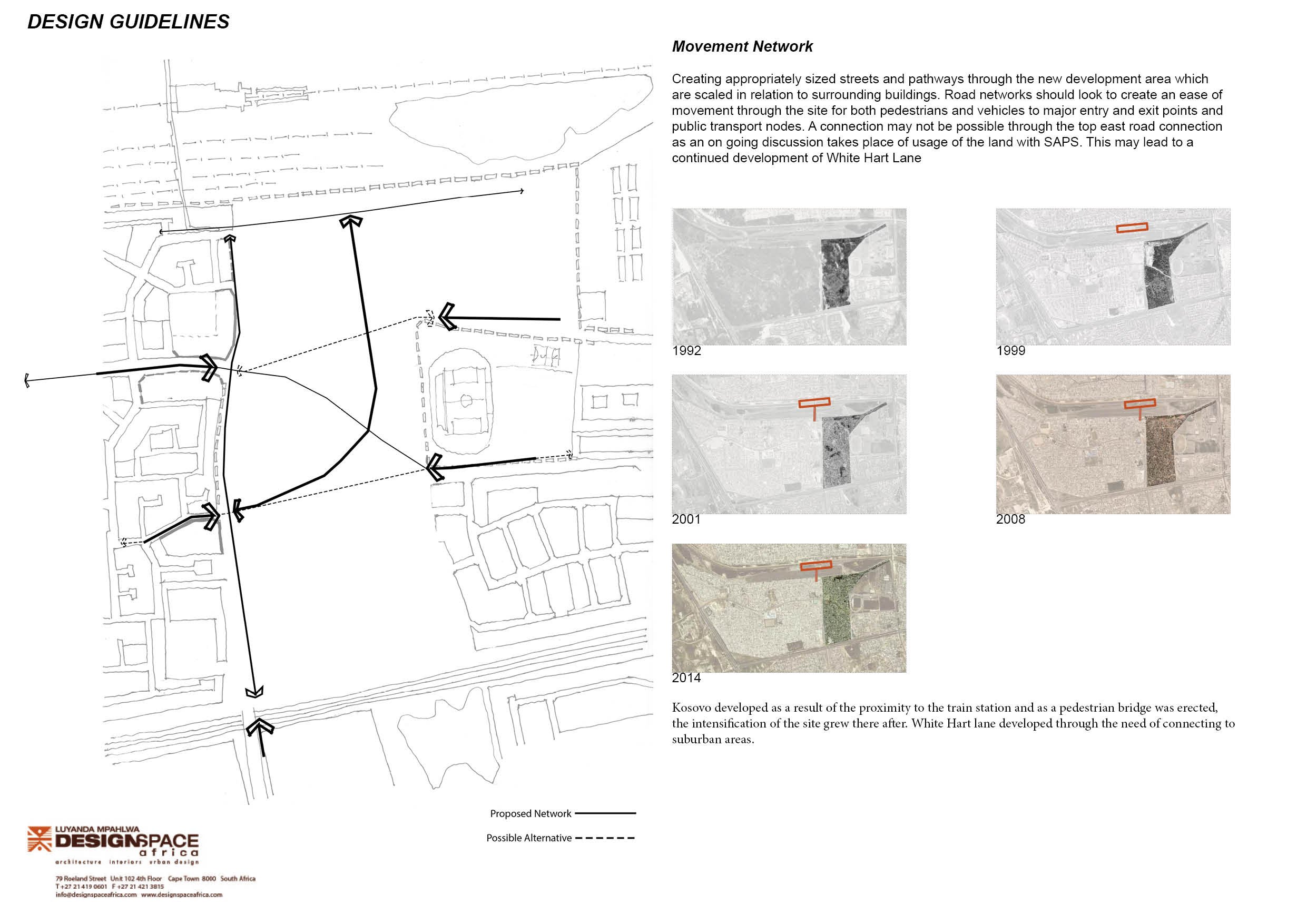
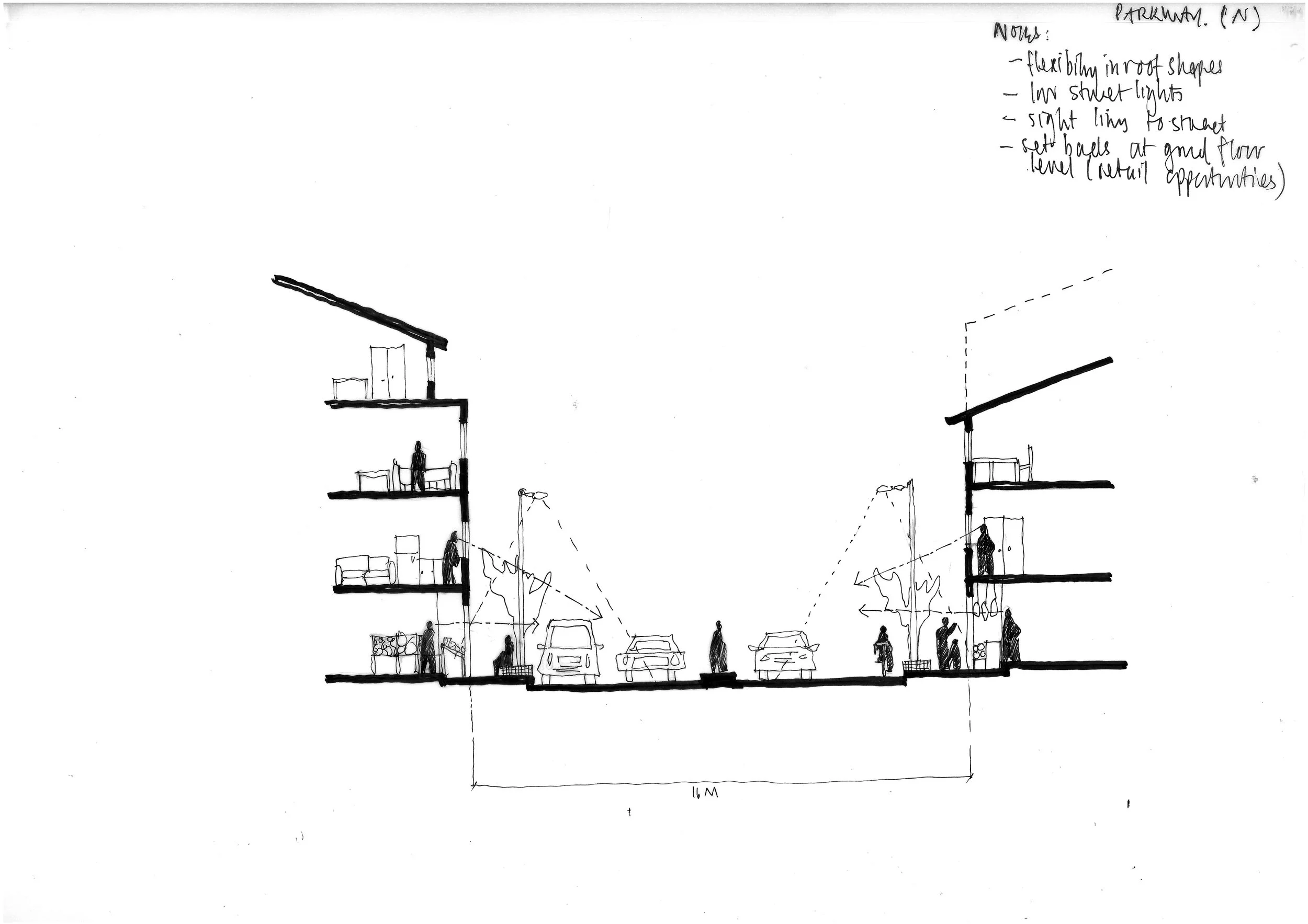
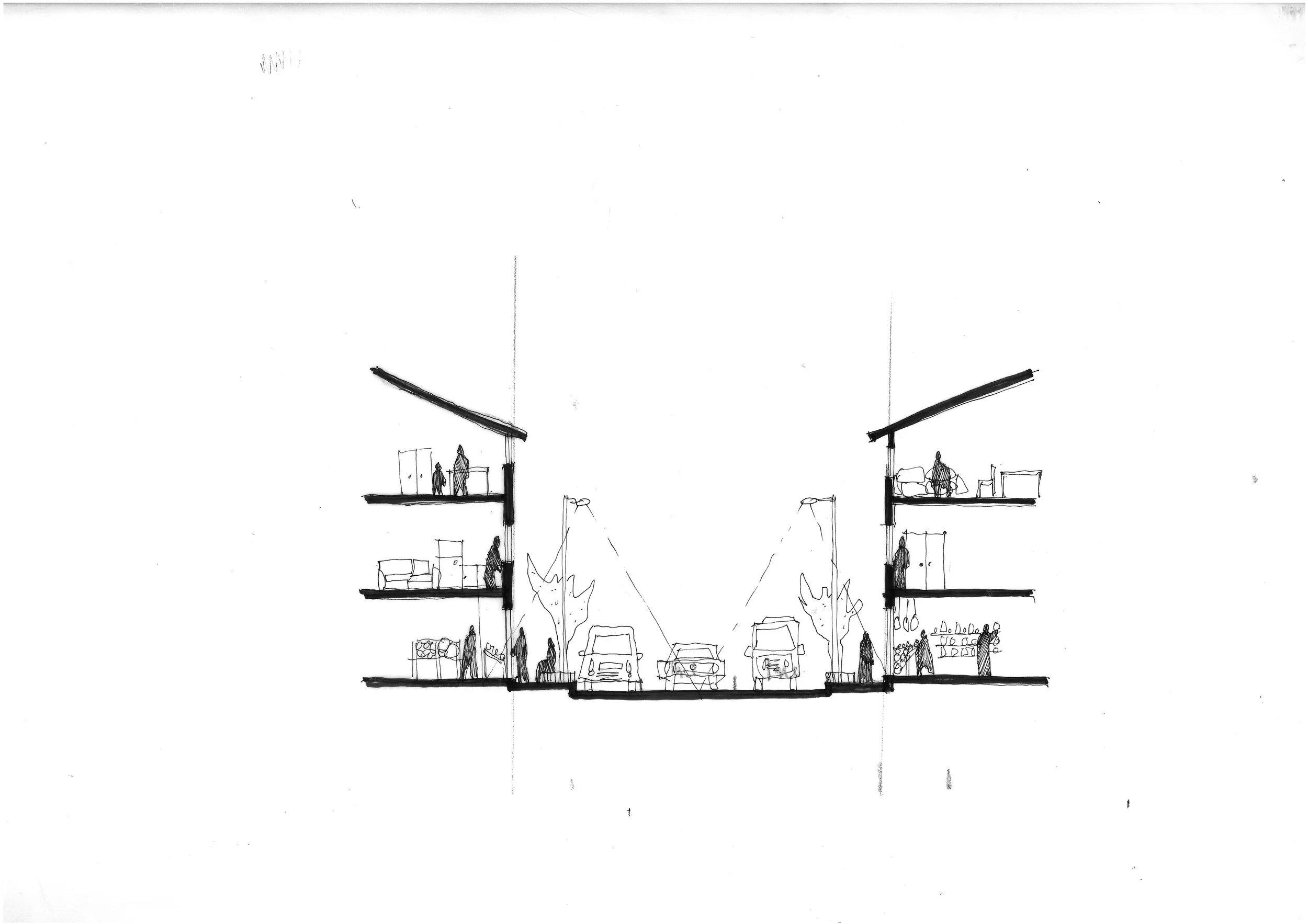
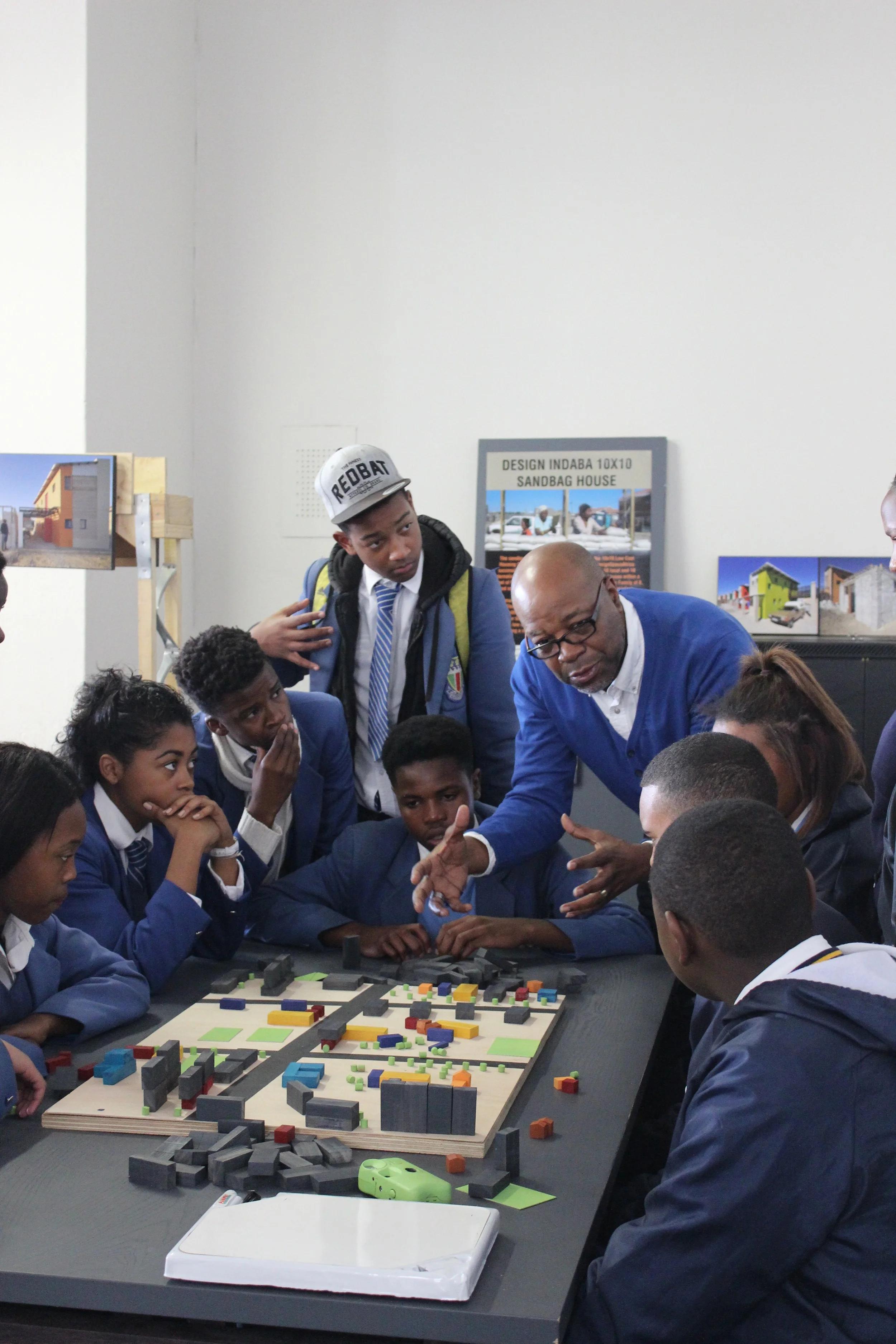
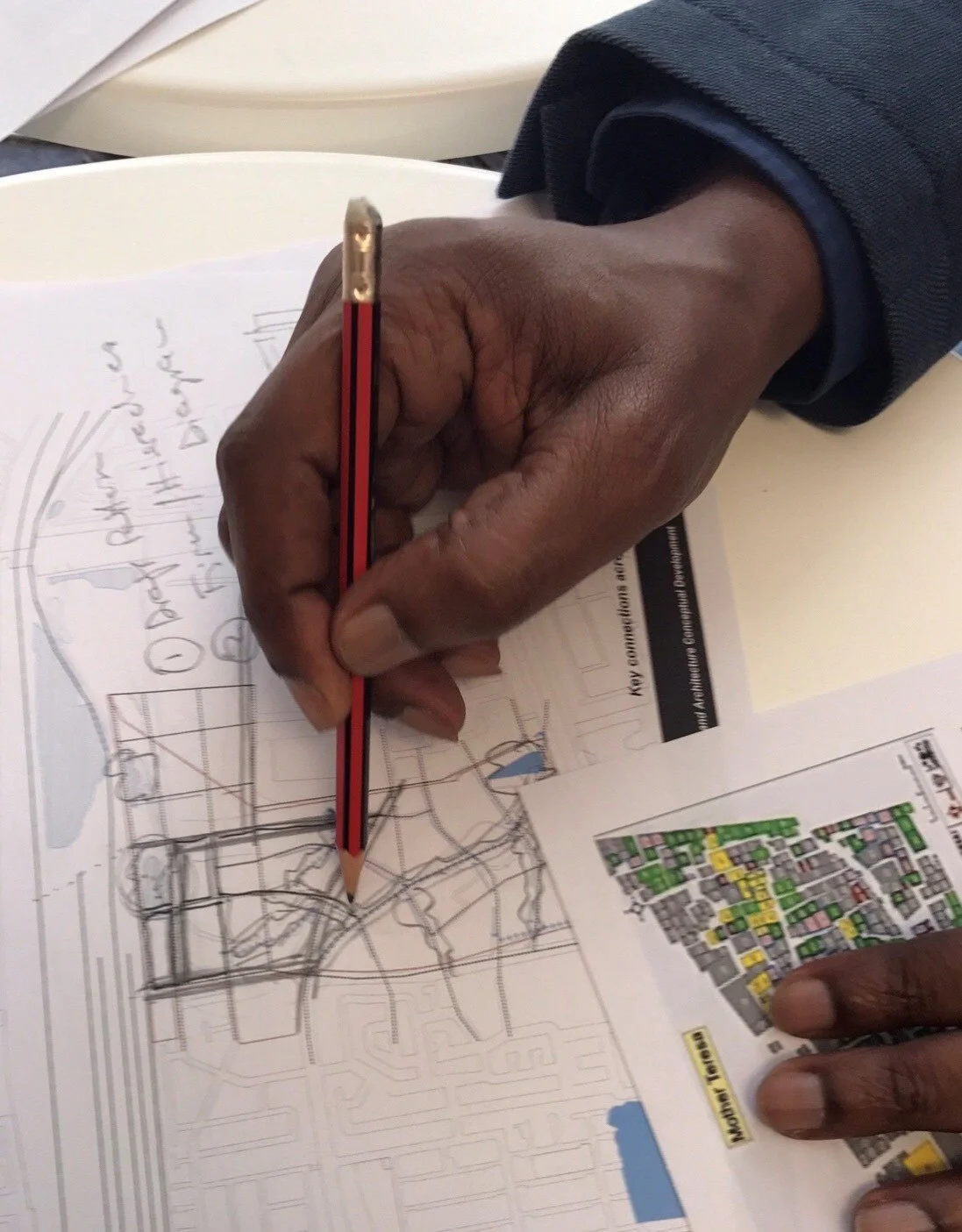
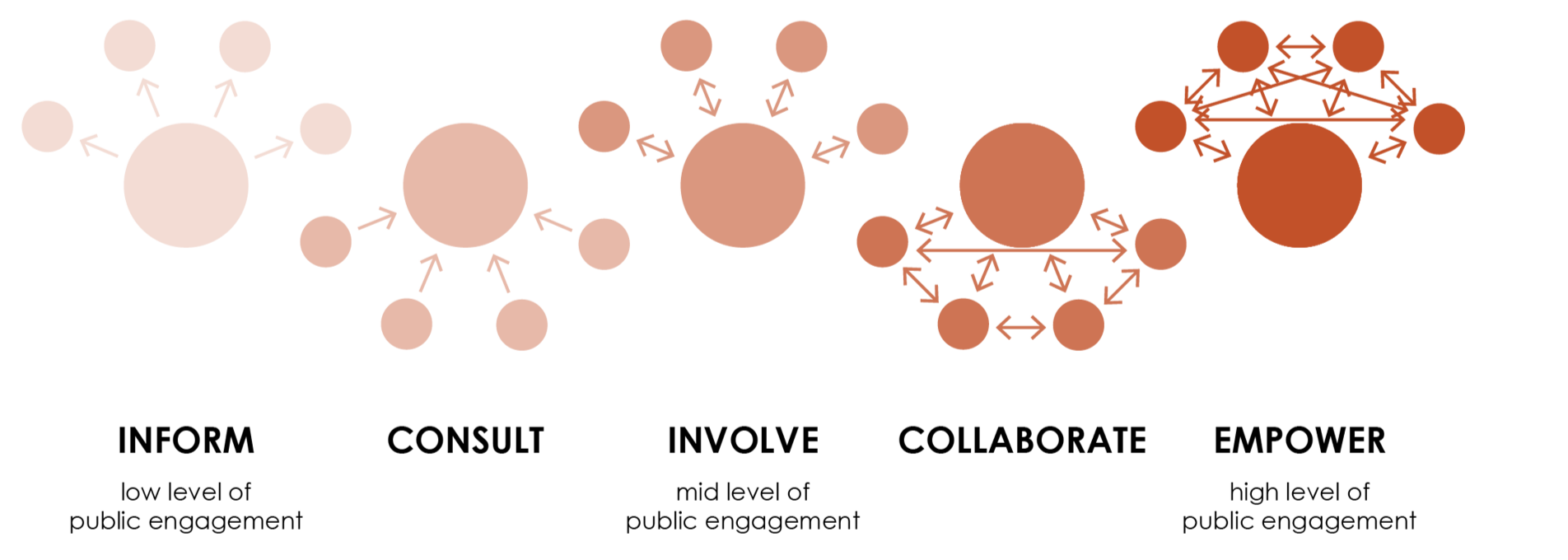
The design process began with a detailed enumeration and analysis of the settlement, followed by extensive site visits, mapping and urban analysis, supported by a participatory design process with the Kosovo community. Understanding how residents live, move and interact within the settlement informed a series of urban design indicators and guidelines, identifying existing movement patterns, community facilities, activity nodes, pedestrian opportunities and environmental systems. This analysis established the basis for an integrated urban framework bringing together infrastructure, movement networks, housing, public space and ecological systems, guided by the principles of walkability, density, mixed use, social integration and efficient land use.

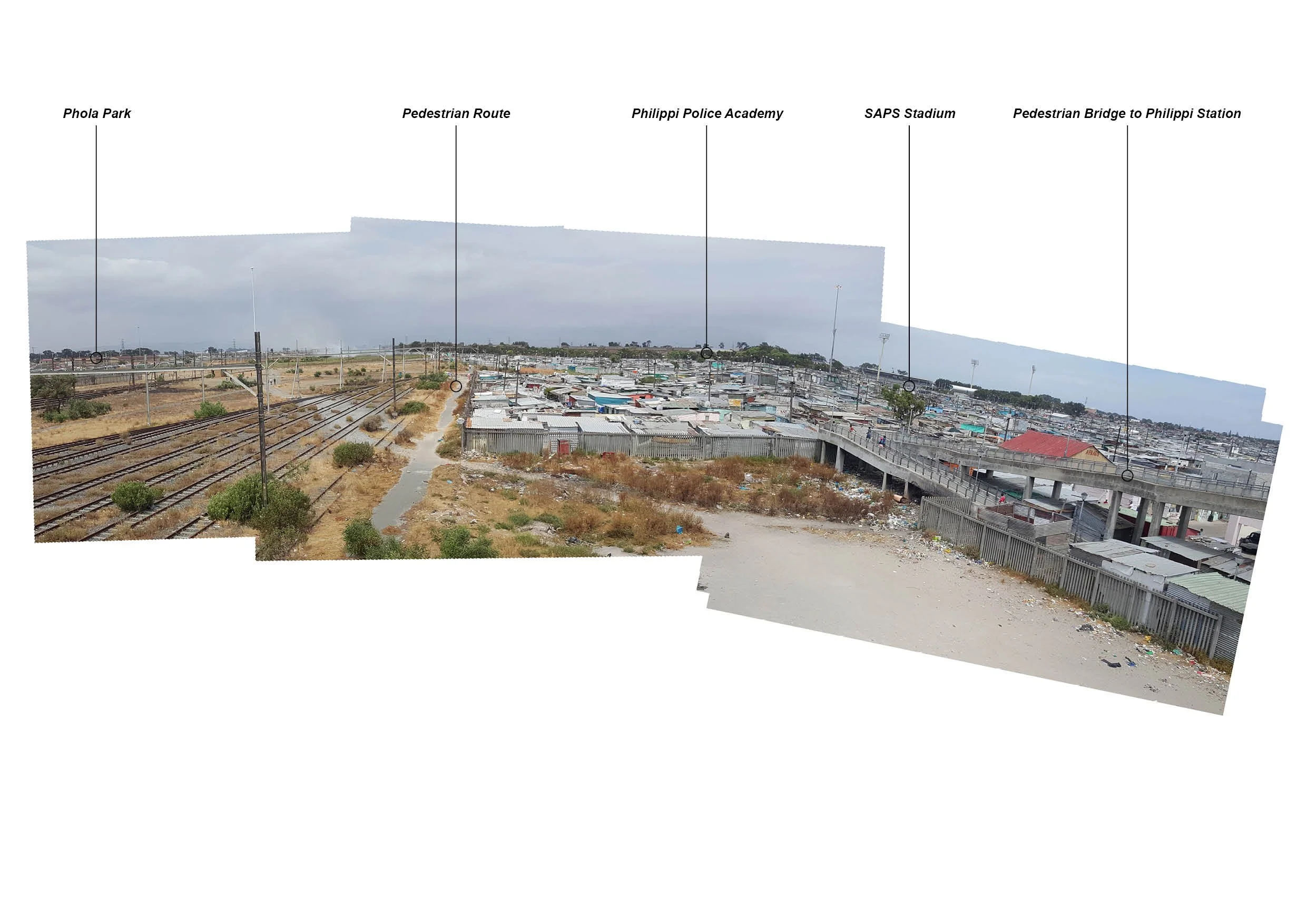
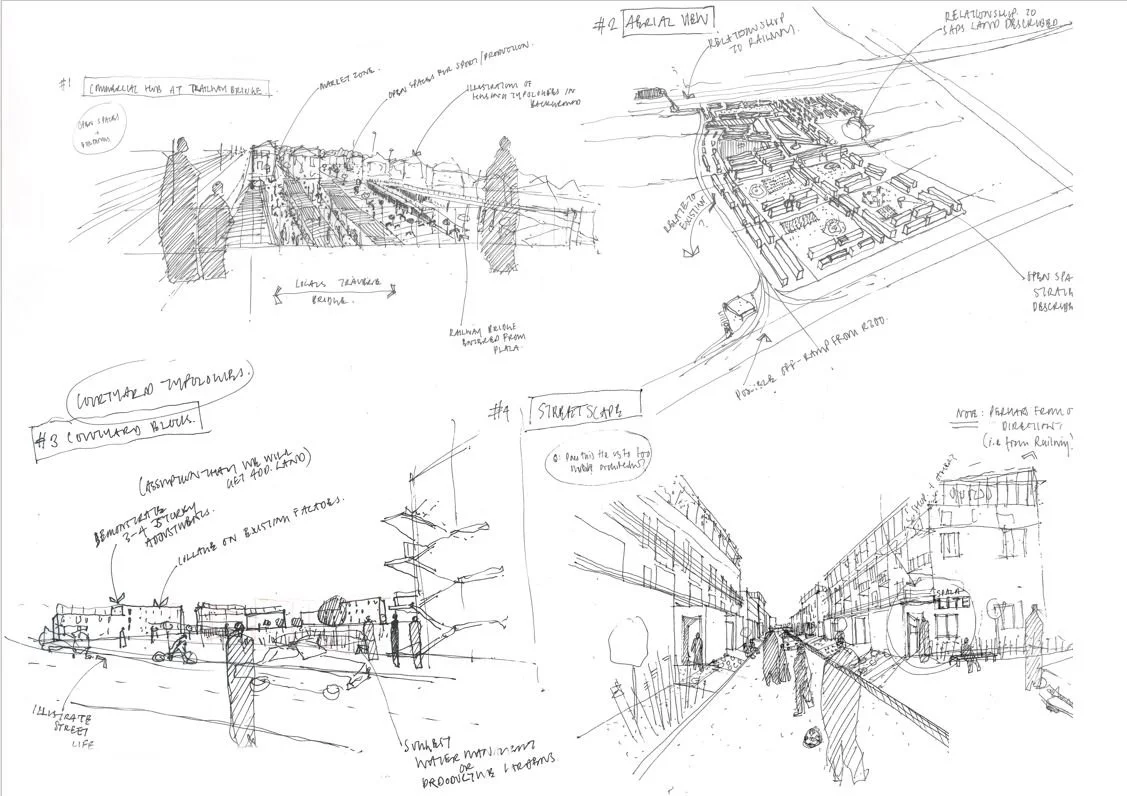
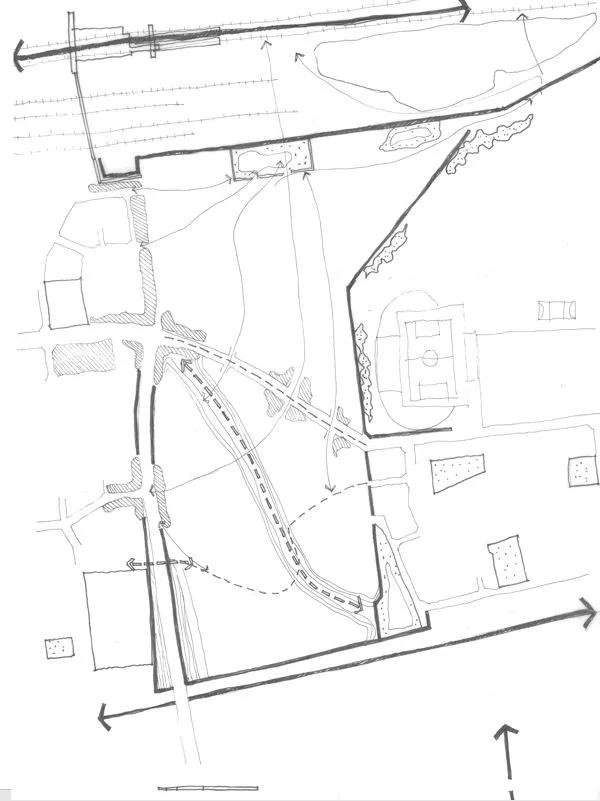
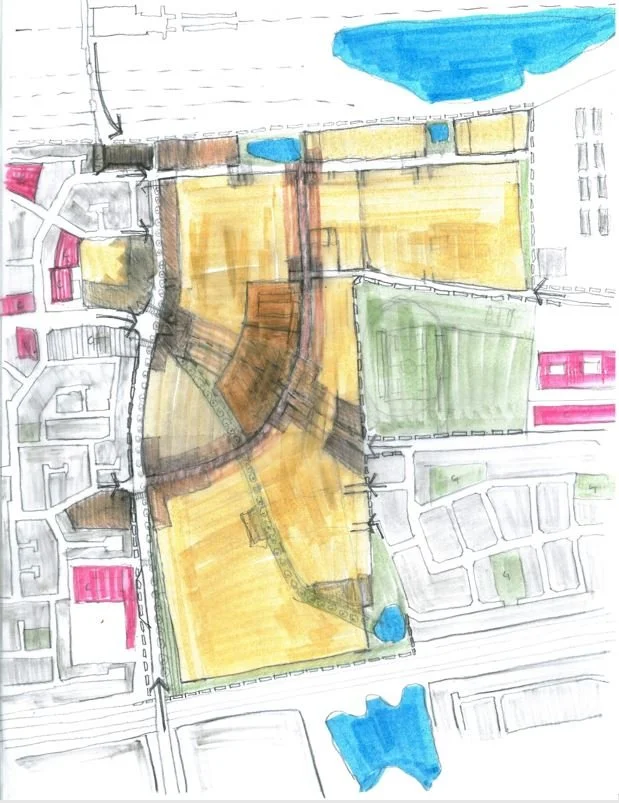
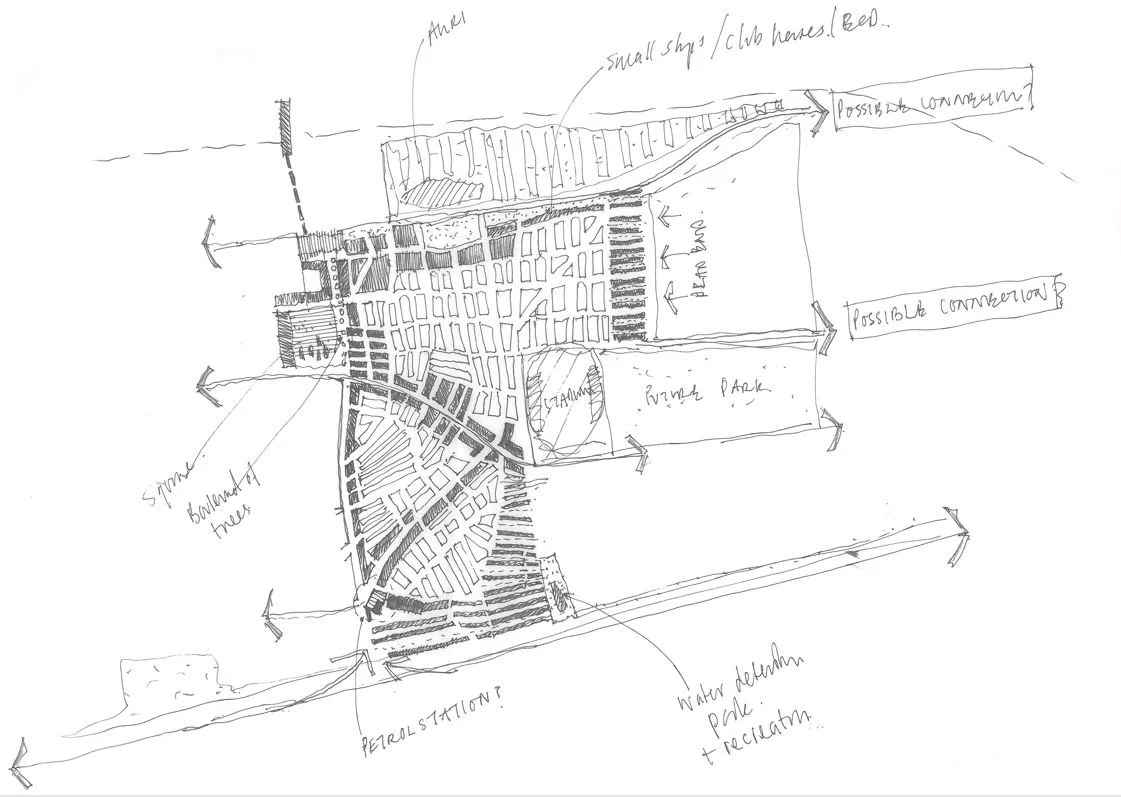
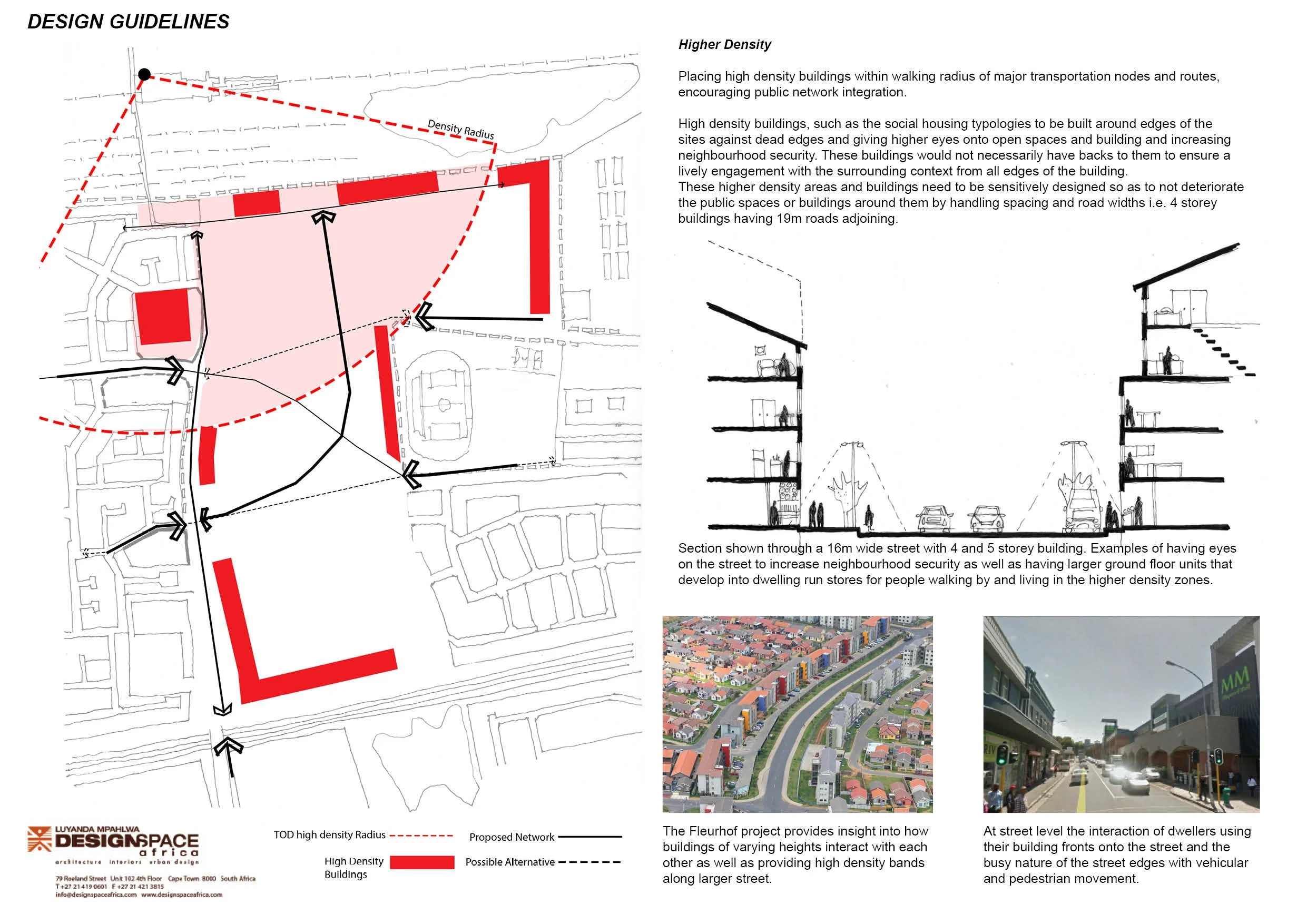
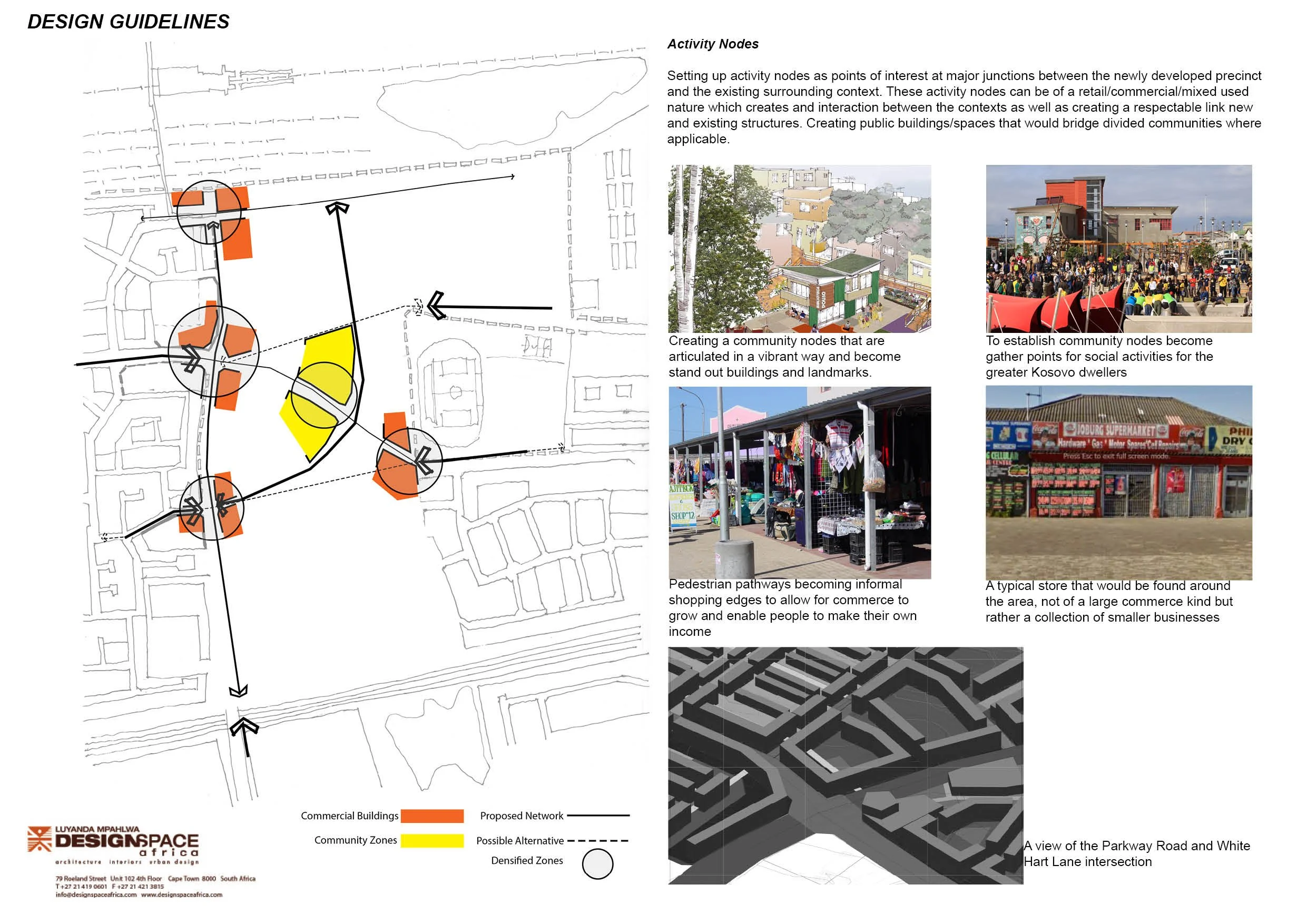
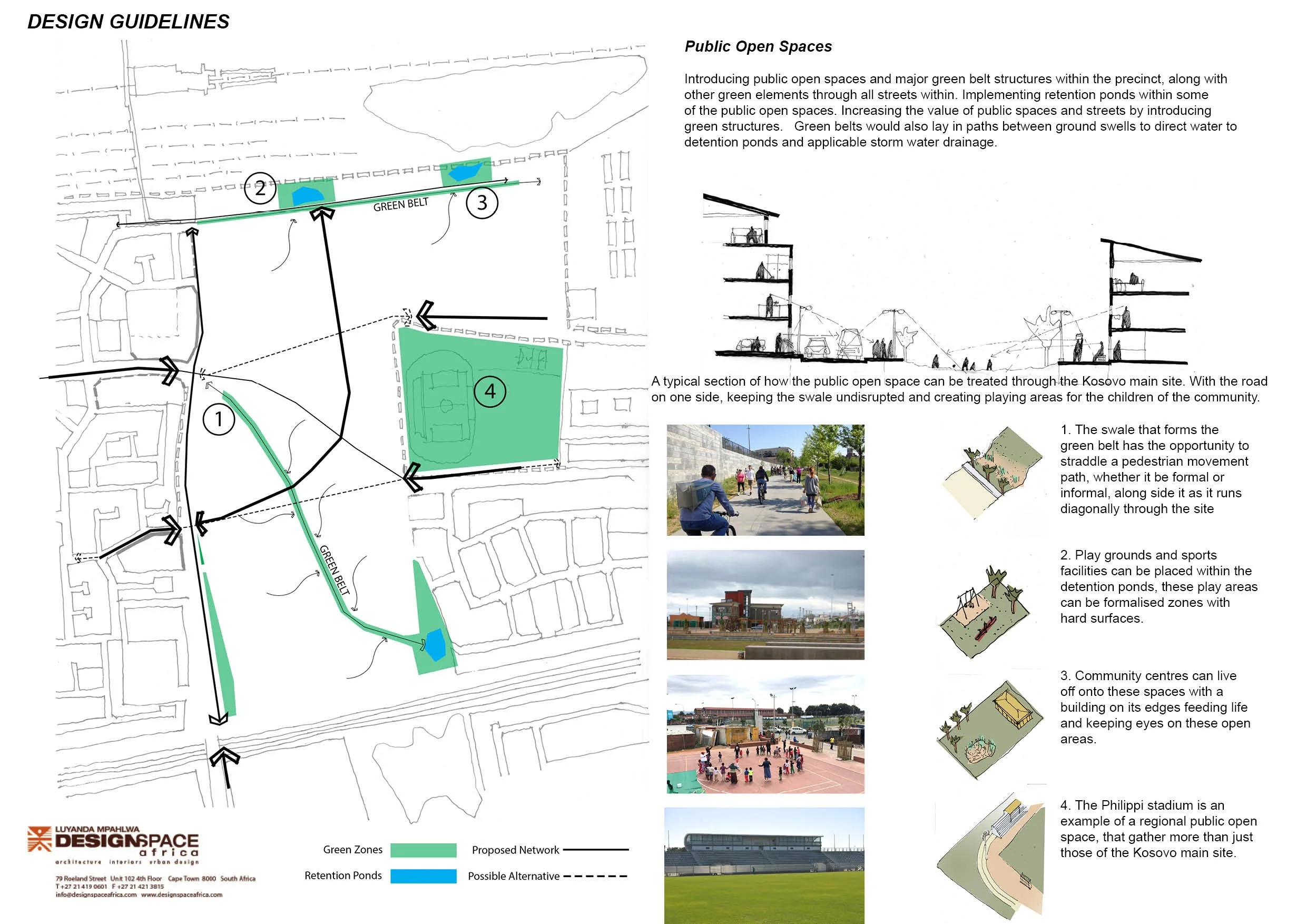
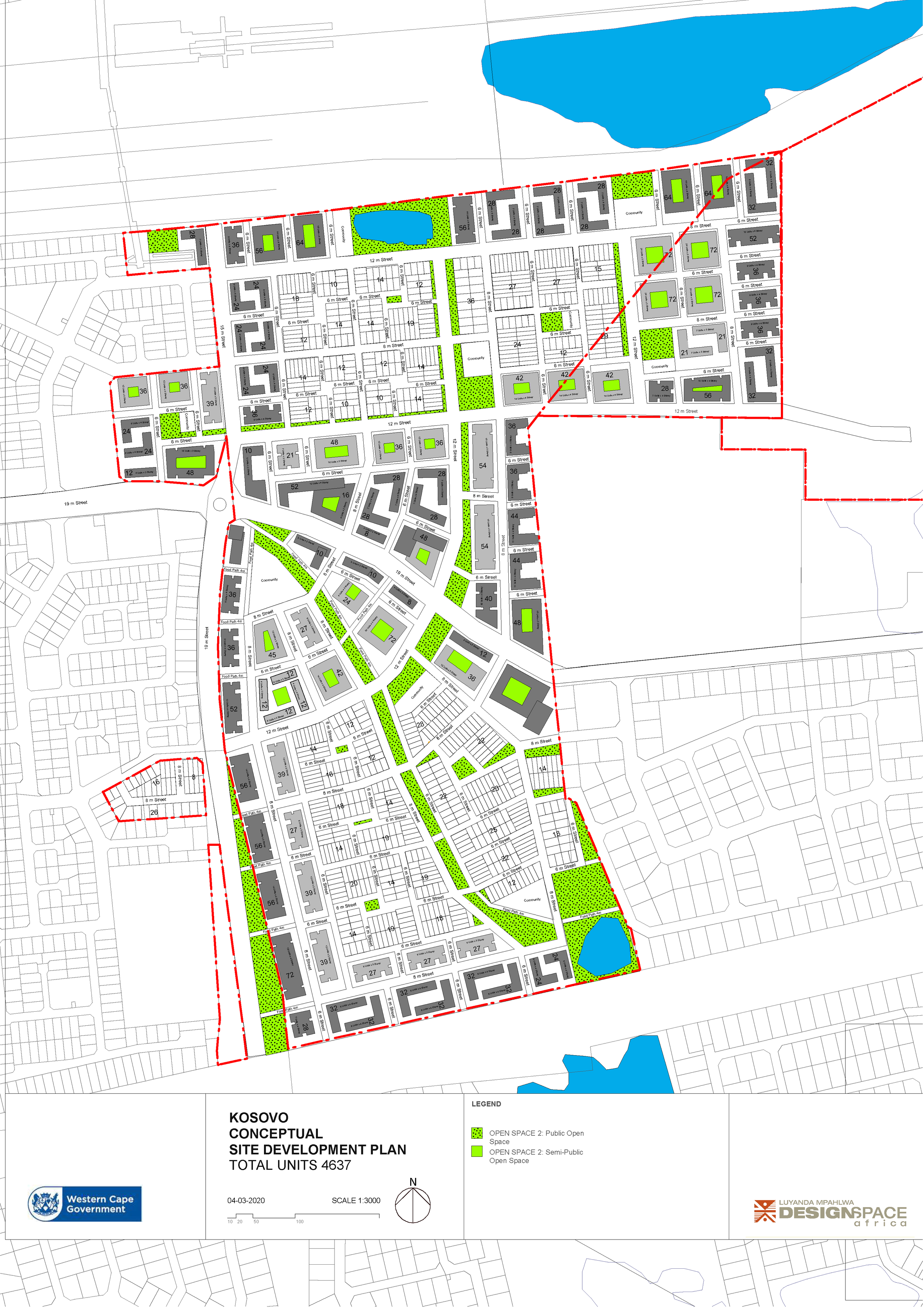
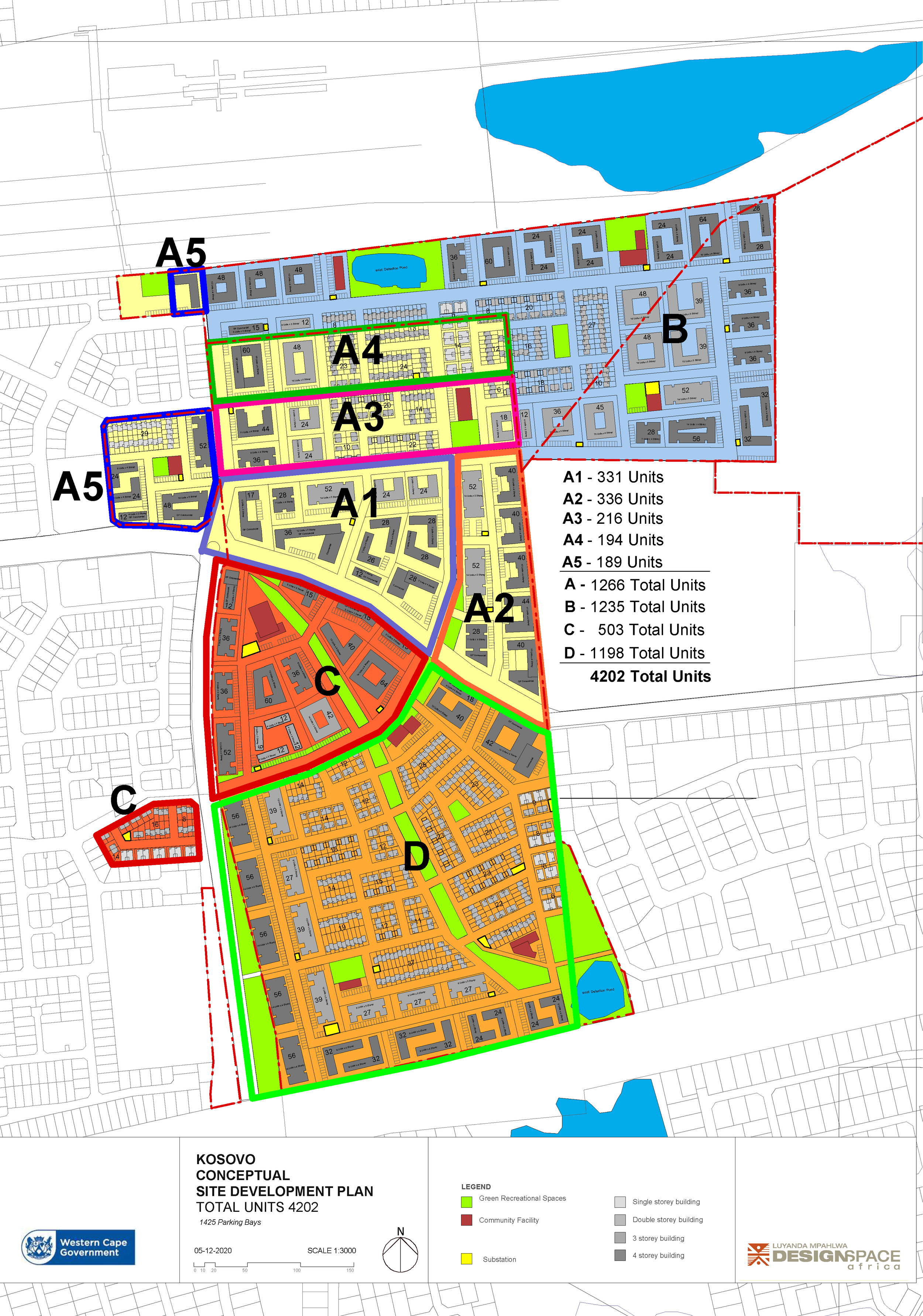
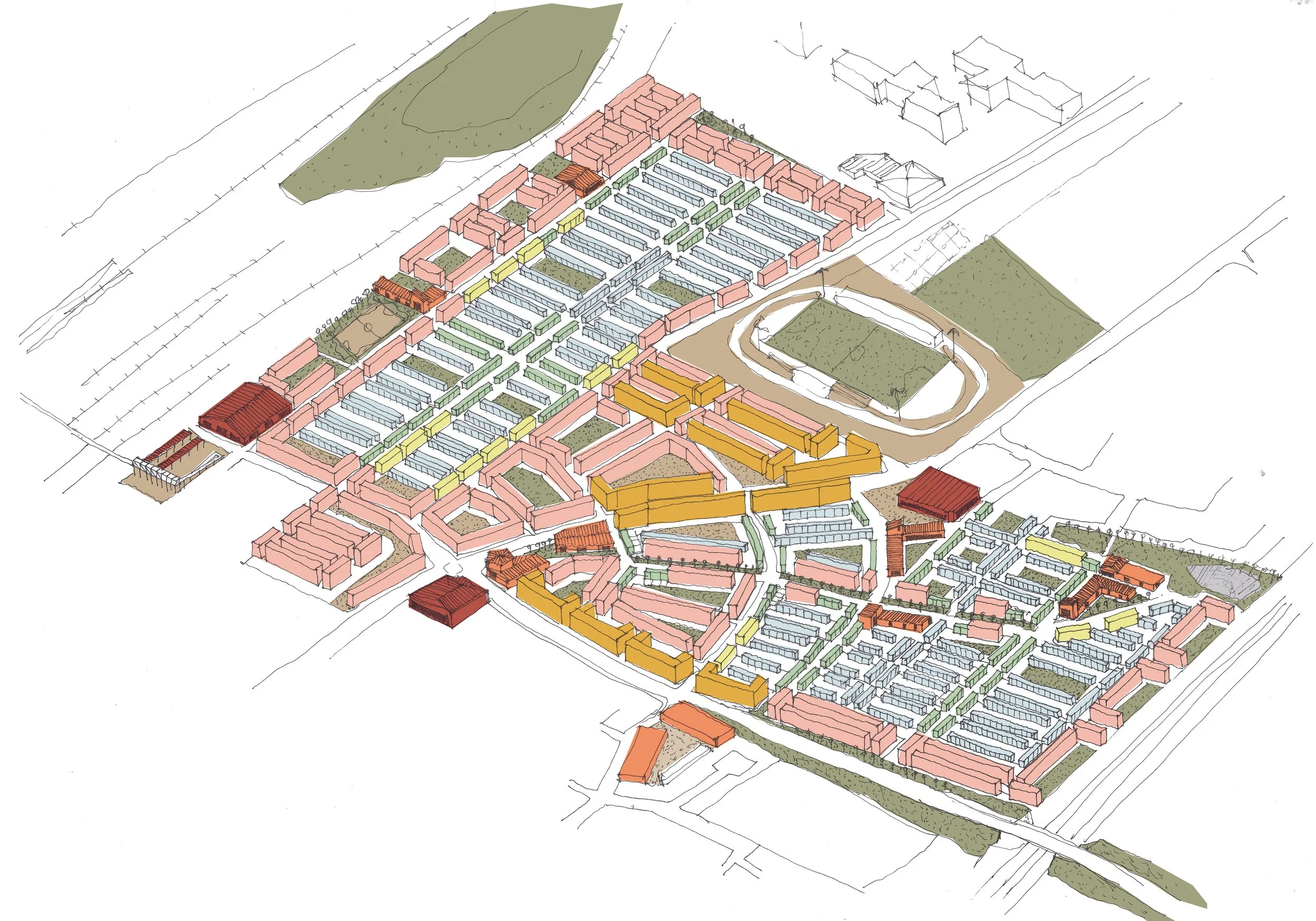
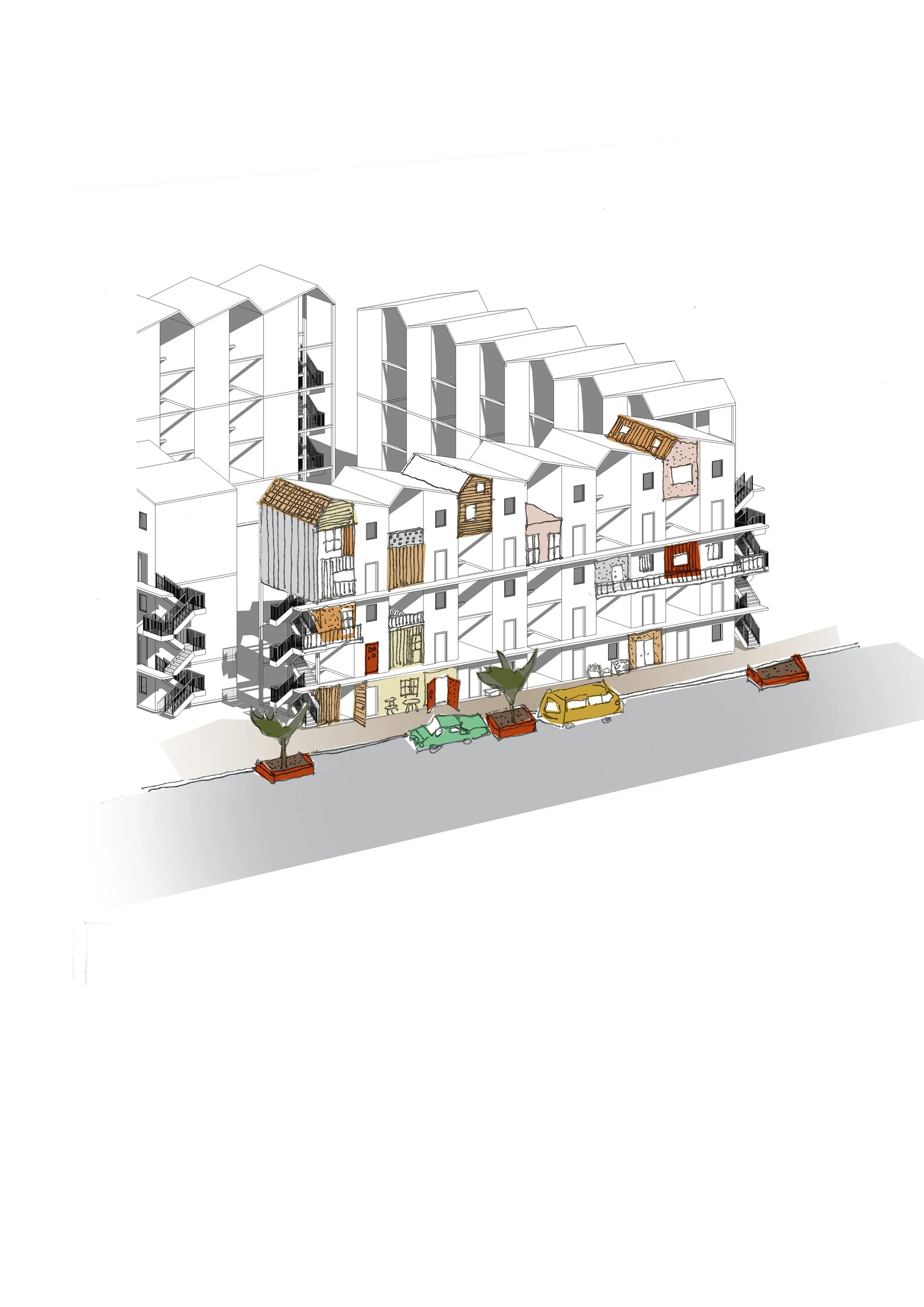
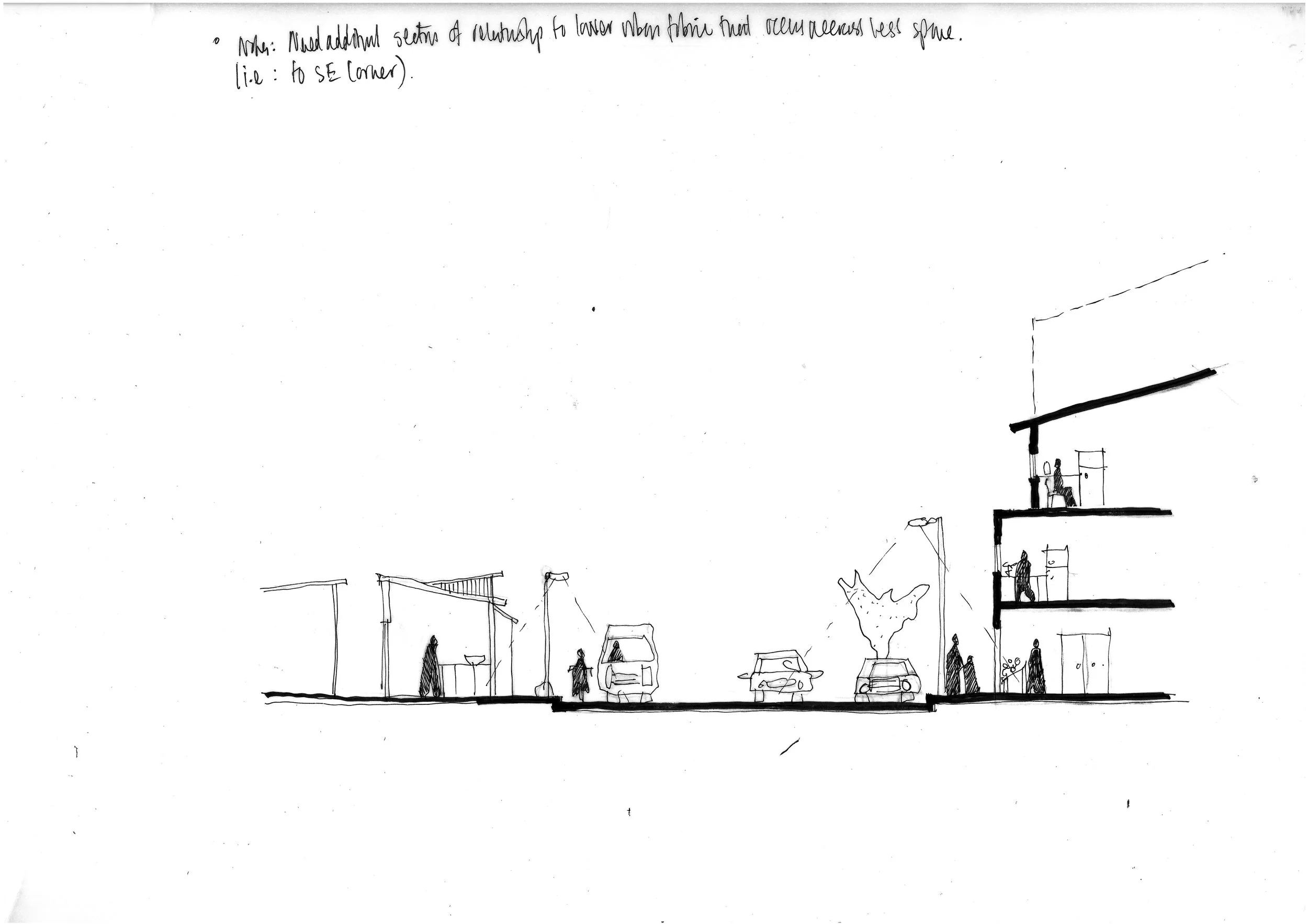
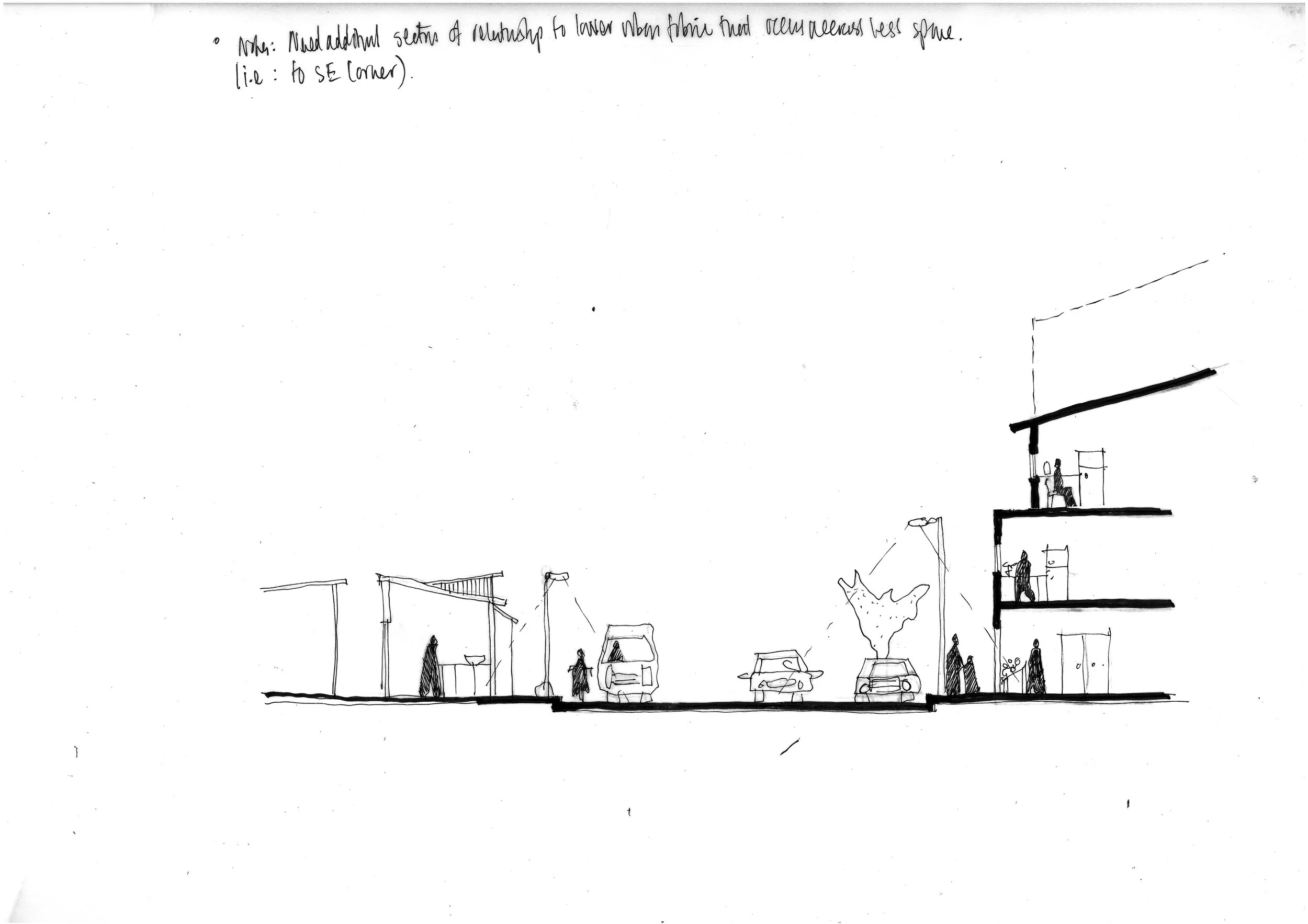
A key part of the design strategy is the phased transformation of the settlement through strategically located decanting sites. Adjacent land provides permanent housing for residents, allowing sections of Kosovo to be gradually de-densified and upgraded without wholesale relocation of the community. Within the proposed restructuring, higher-density buildings are concentrated along the edges and major movement routes, establishing stronger urban edges and providing greater privacy while retaining the finer urban grain of the existing settlement internally. Green corridors link public open spaces and activity nodes across the neighbourhood, supporting pedestrian movement, recreation, ecological systems and community life. Together, these strategies establish a long-term framework for upgrading Kosovo incrementally while retaining the identity, social networks and sense of ownership that define the existing community.