2016 Venice biennale, beyond the river: 50 schools
The Project
The Project
The title of the exhibition “50 Schools Beyond the River” was to celebrate the completion of our 50 schools project which were completed in a period of 2 years.
The schools project was part of a South African Government and Department of Basic Education school upgrading project, called The Accelerated School Infrastructure Delivery Initiative (ASIDI). The Implementing Agent, the Development Bank of Southern Africa (DBSA) appointed a consortium, The Design and Delivery Management Consortium (DDMC) led by the Principal and Director of Design Network, Dr Luyanda Mpahlwa.
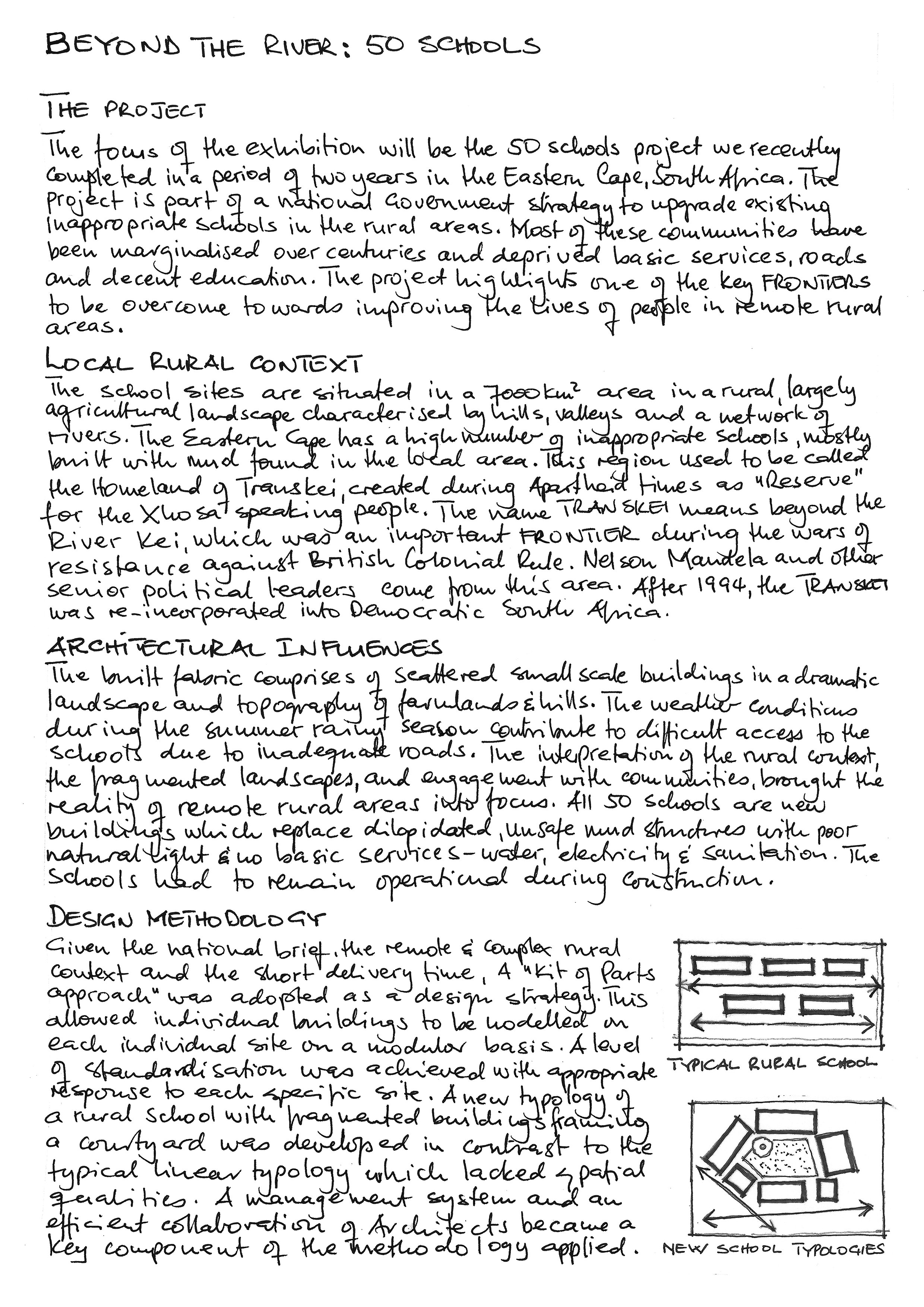
The objective was to upgrade existing inappropriate school facilities in rural areas where marginalised communities lacked dignified education facilities and infrastructure. The right to an education is enshrined in the Constitution of the Republic of South Africa. The strategy to deliver the education facilities and infrastructure also included employment creation, the enhancement of South Africa's basic education system, and improvements in the lives of the people in the areas where the schools are being built. The inaugural 50 Schools ASIDI project was a milestone in the history of South African education to eradicate the historical backlog in infrastructure and basic services, especially in rural areas within a two-year period.
Location
The schools are situated within a 7000km2 area in the eastern region of South Africa, known as the Eastern Cape, which has the highest number of inappropriate schools in South Africa. The area used to be called the "homeland" of the Transkei, a creation of the Apartheid government for Xhosa speaking people. It is also the birthplace of Nelson Mandela and other senior political leaders. The word Transkei means "Beyond the River Kei", which was an important frontier during the 18" Century wars of resistance against British Colonial rule. The Transkei 'homeland' was reincorporated as part of the Democratic Republic of South Africa in 1994.
Rural Context
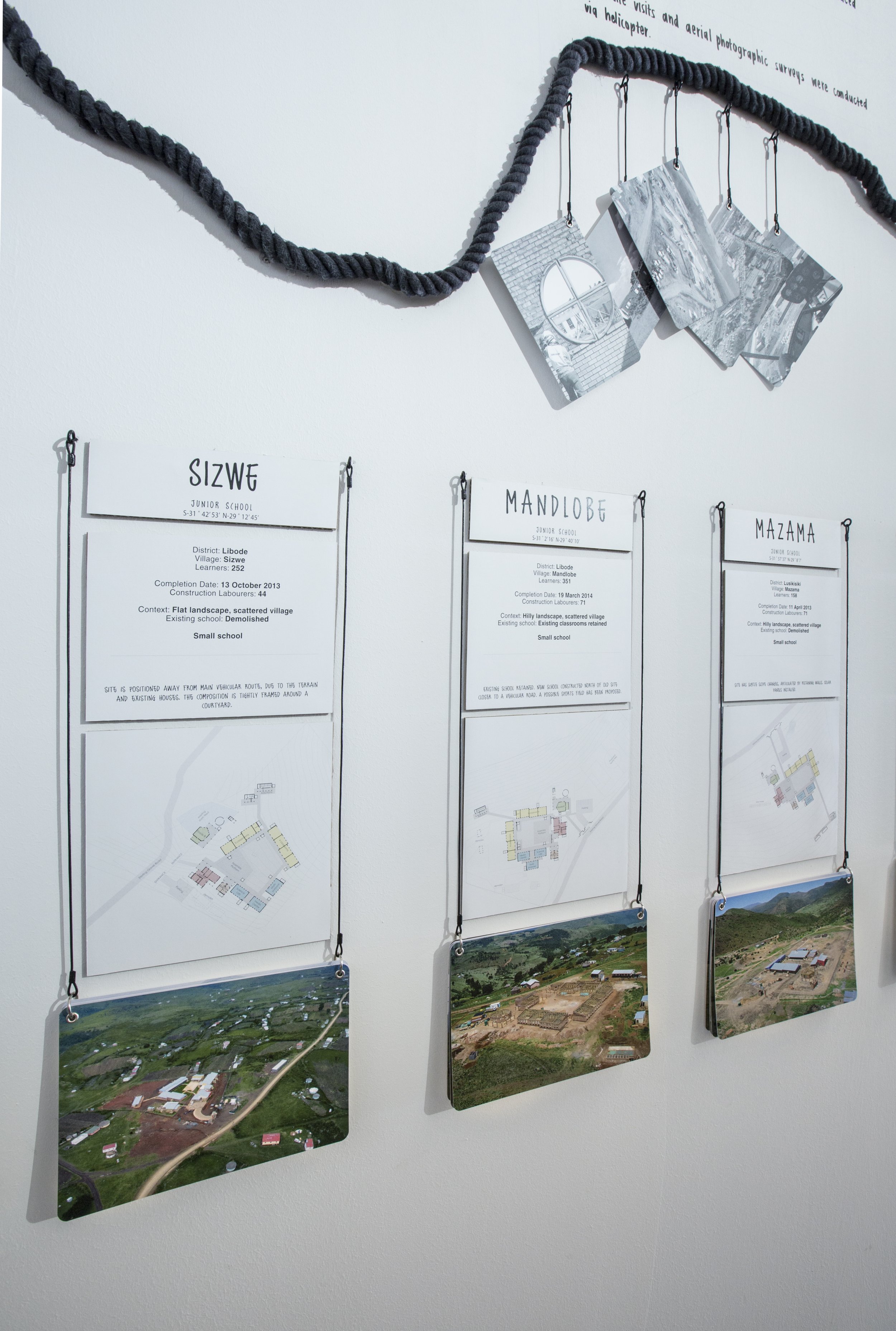
The region is remote with a scattered small-scale built fabric, lack of infrastructure and a largely rural based agricultural economy. This, along with adverse weather conditions and dramatic topography made access to the school sites a big challenge. The interpretation of the context, the fragmented landscapes, and engagement with local communities assisting in the design process, brought the realities of remote rural areas into perspective. All schools were new builds replacing existing inappropriate schools and the sites were predetermined. The schools had to remain operational during construction and the safety of learners was taken very seriously.
Design Methodology
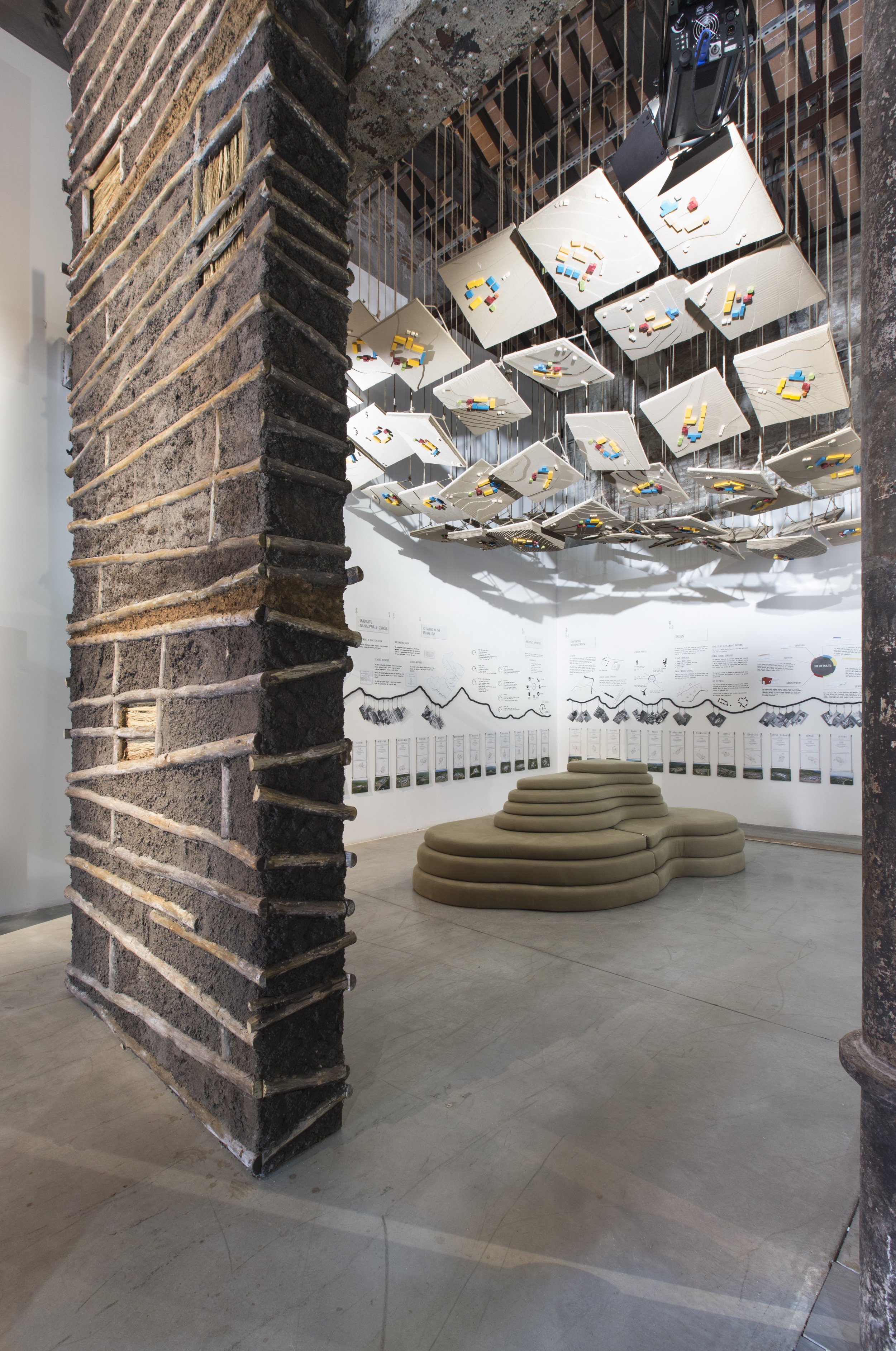
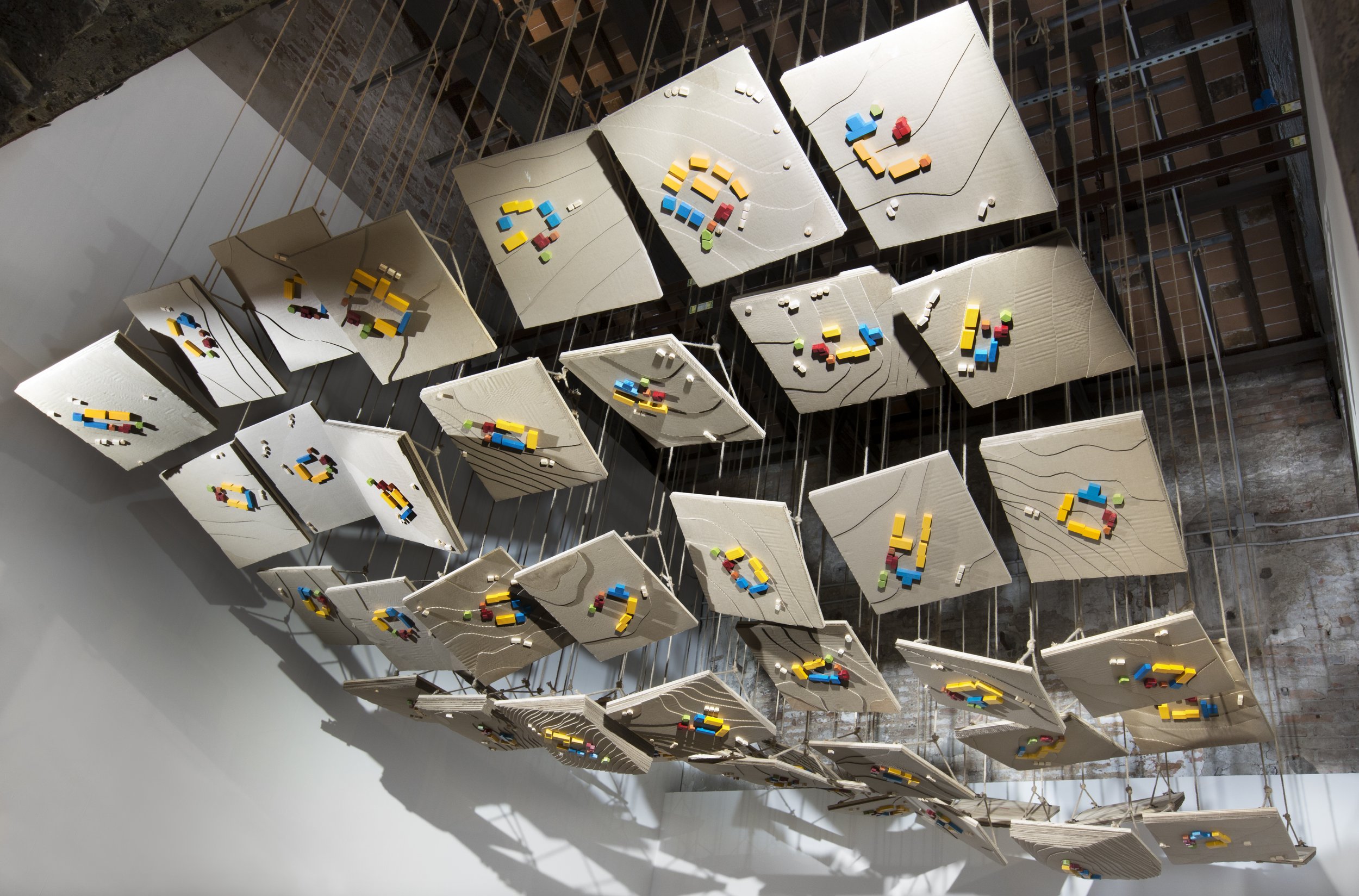
Given national brief, the remote and complex rural context and short delivery time, the 'Kit of Parts' approach was adopted as a design strategy which allowed individual buildings to be modelled in the site-specific context on a modular basis. While the design was centralized, the four Architectural firms in the DDMC consortium, distributed the execution on site on an equitable basis. This was key to the successful execution of the project within the given time frame, allowing design standardisation as well as a tailored response to the specific topography of each site. A new rural typology of school, with fragmented buildings organised around a courtyard, was developed in contrast to the typical linear typology typically used for “all schools for marginalised communities”, and often lacking spatial quality. Another key component to achieve success was the establishment of a collaborative management system with efficient communication within the team of architects and other built environment professionals in the consortium. The biggest challenge was assisting the contractors with logistical planning and programming during construction.
The Exhibition
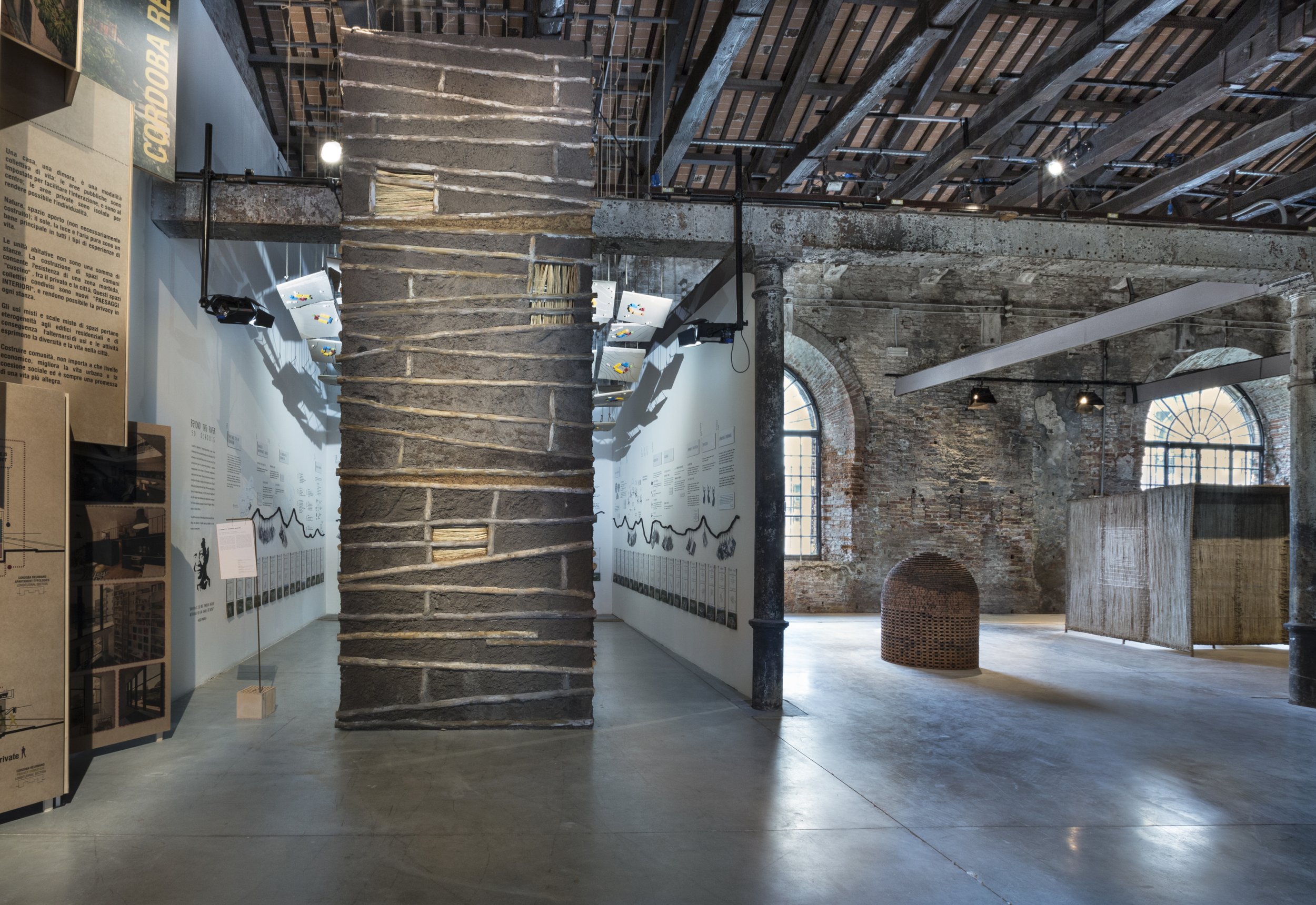
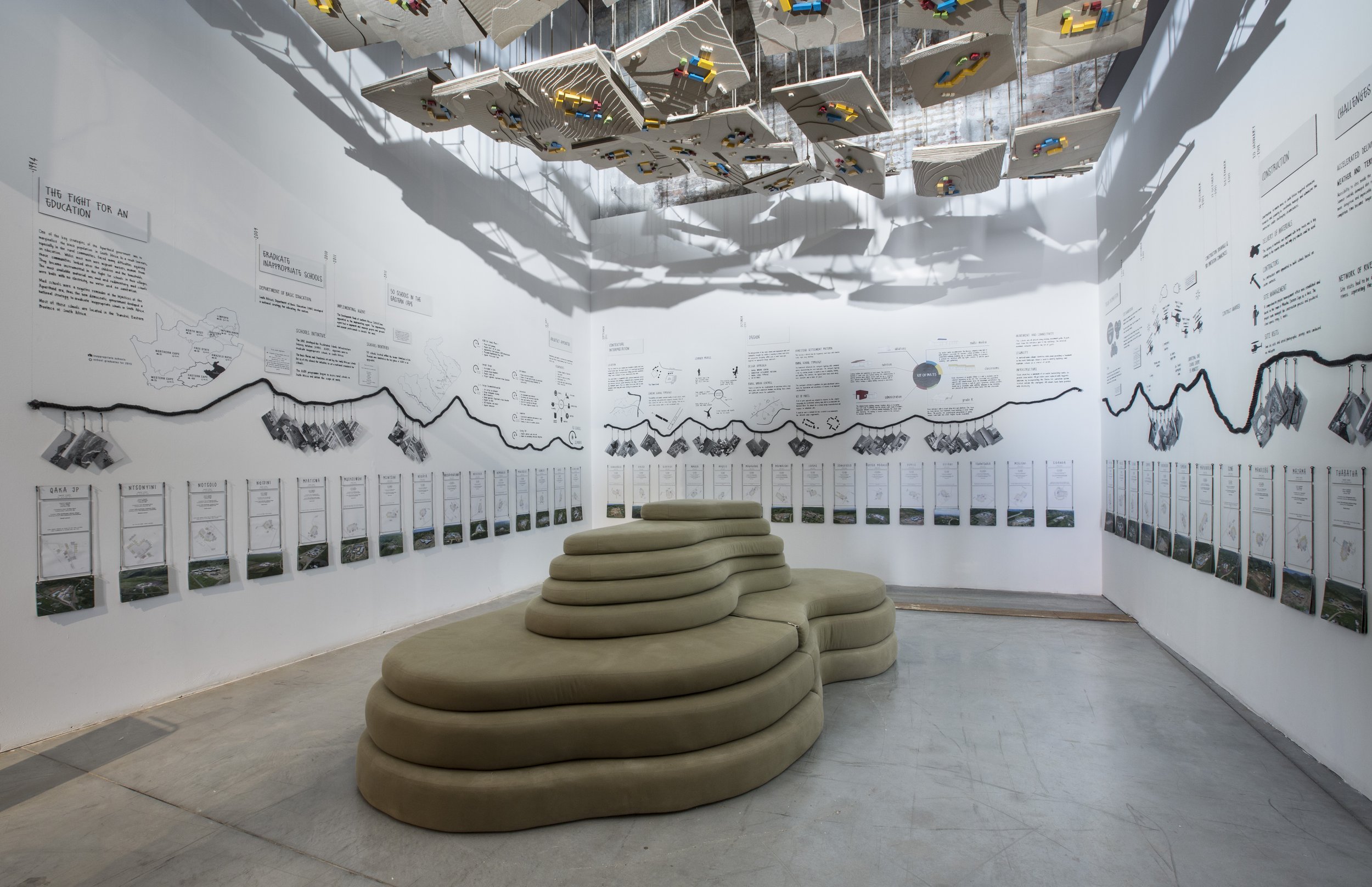
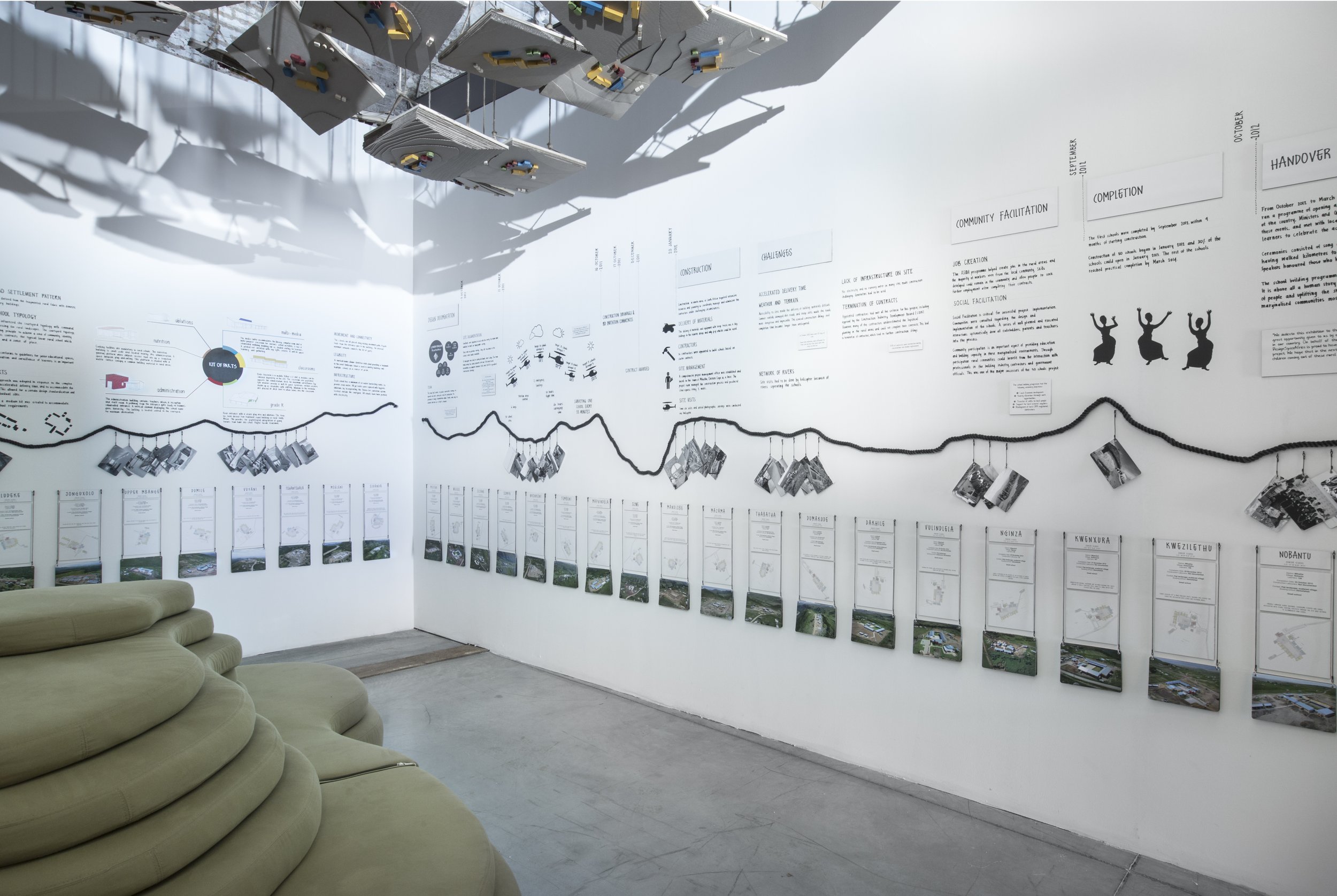
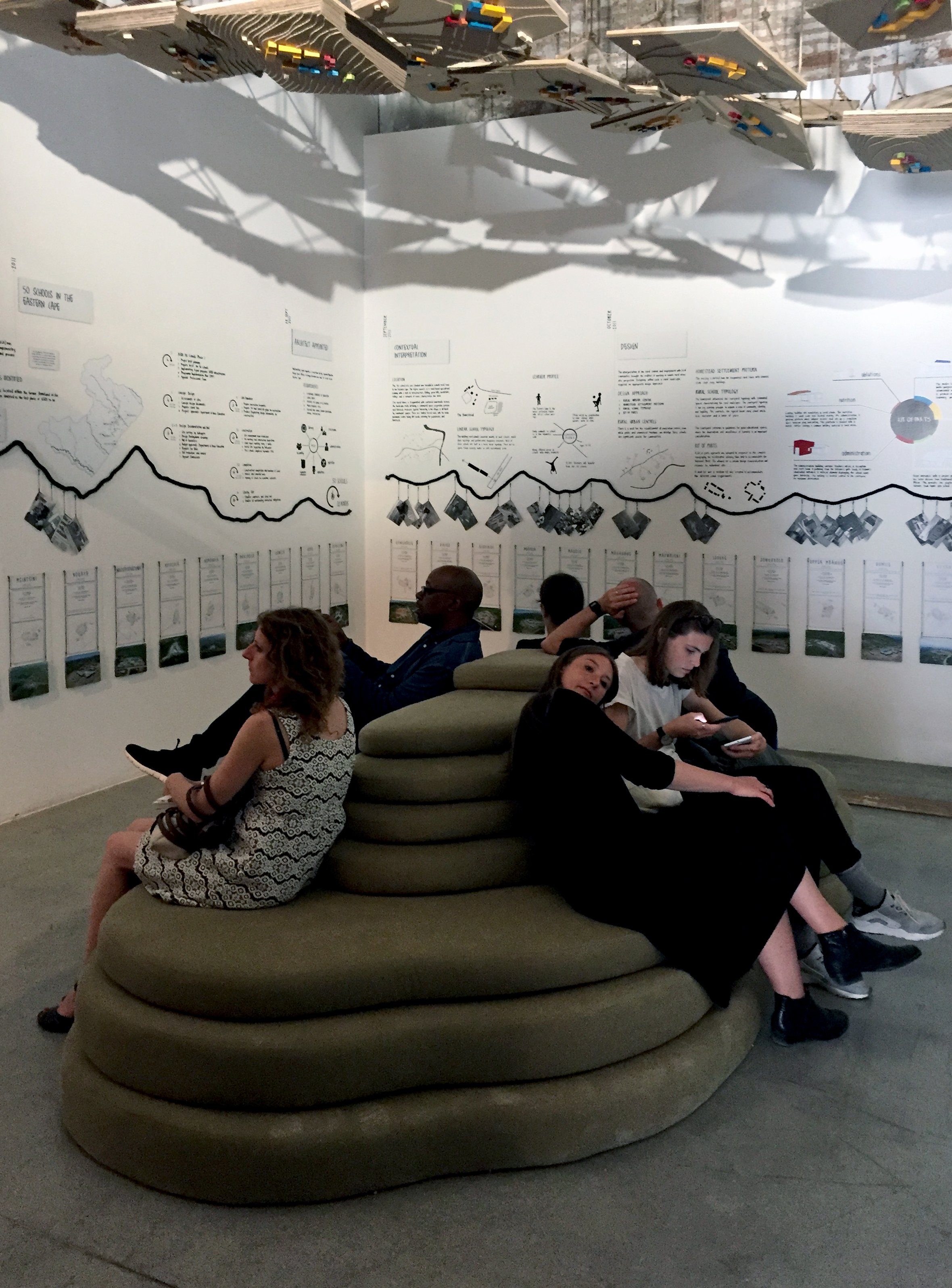
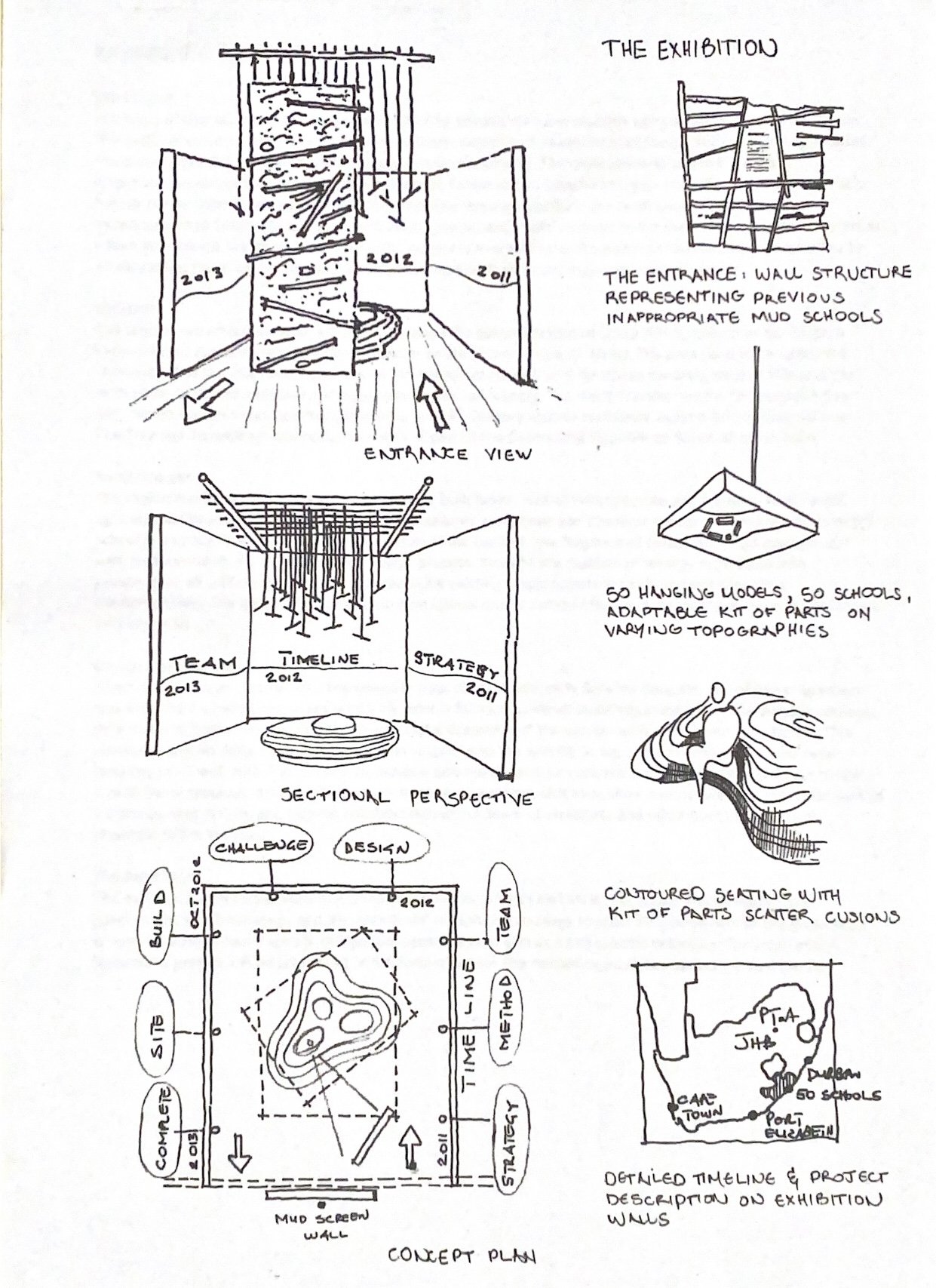
Design Network was invited by the Curator of the 2016 Architecture Biennale, Alejandro Aravena to exhibit on the theme pf the Biennale: “Reporting from the Front”. The aim of exhibition was to highlight key components of the Schools project on two levels; a national level with the government's ASIDI schools upgrading programme for marginalised communities, and at the level of an architectural achievement, introducing a new typology for rural schools, delivered through design standardisation as well as a site specific response, making each school different and contextual.
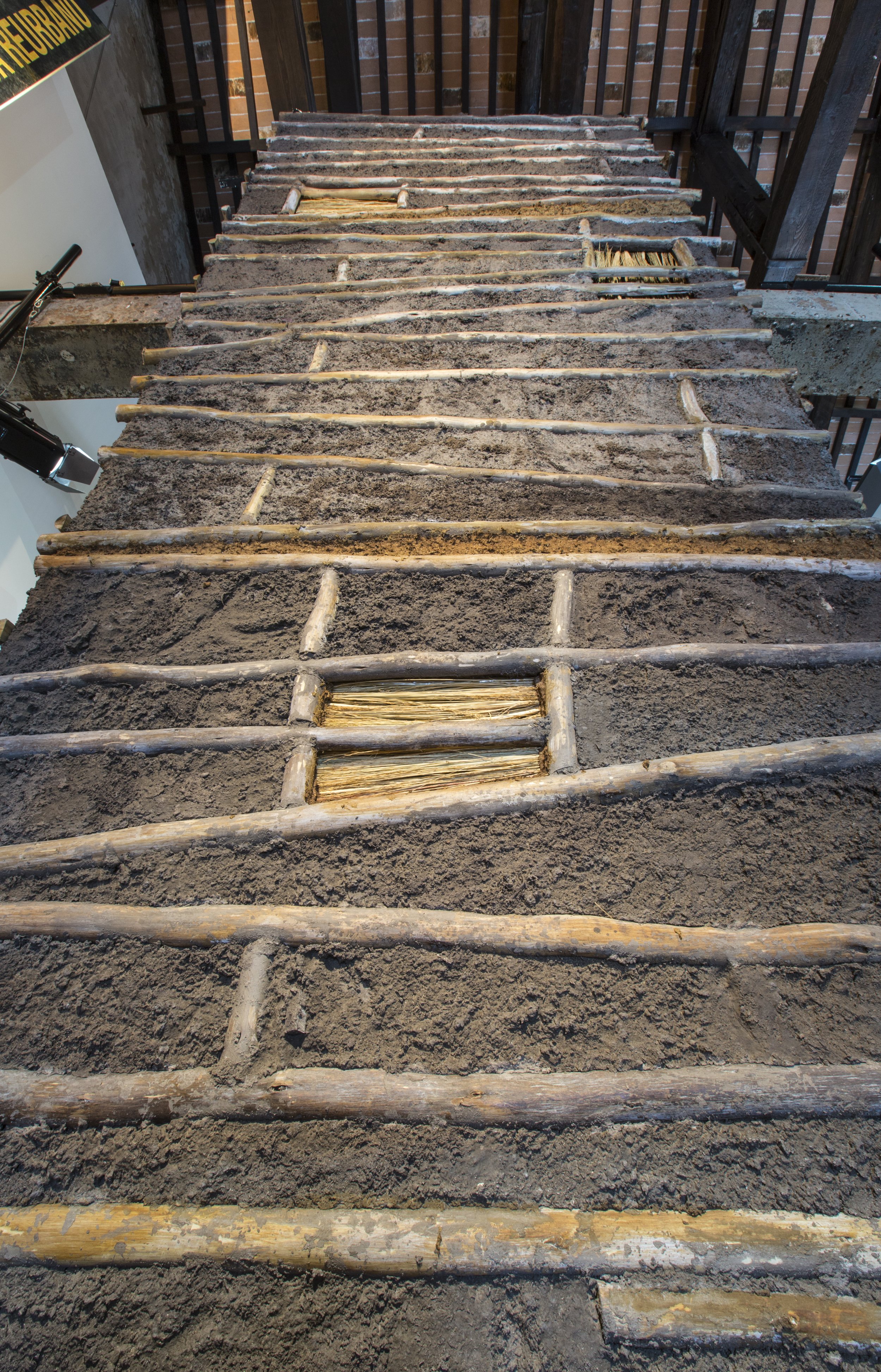
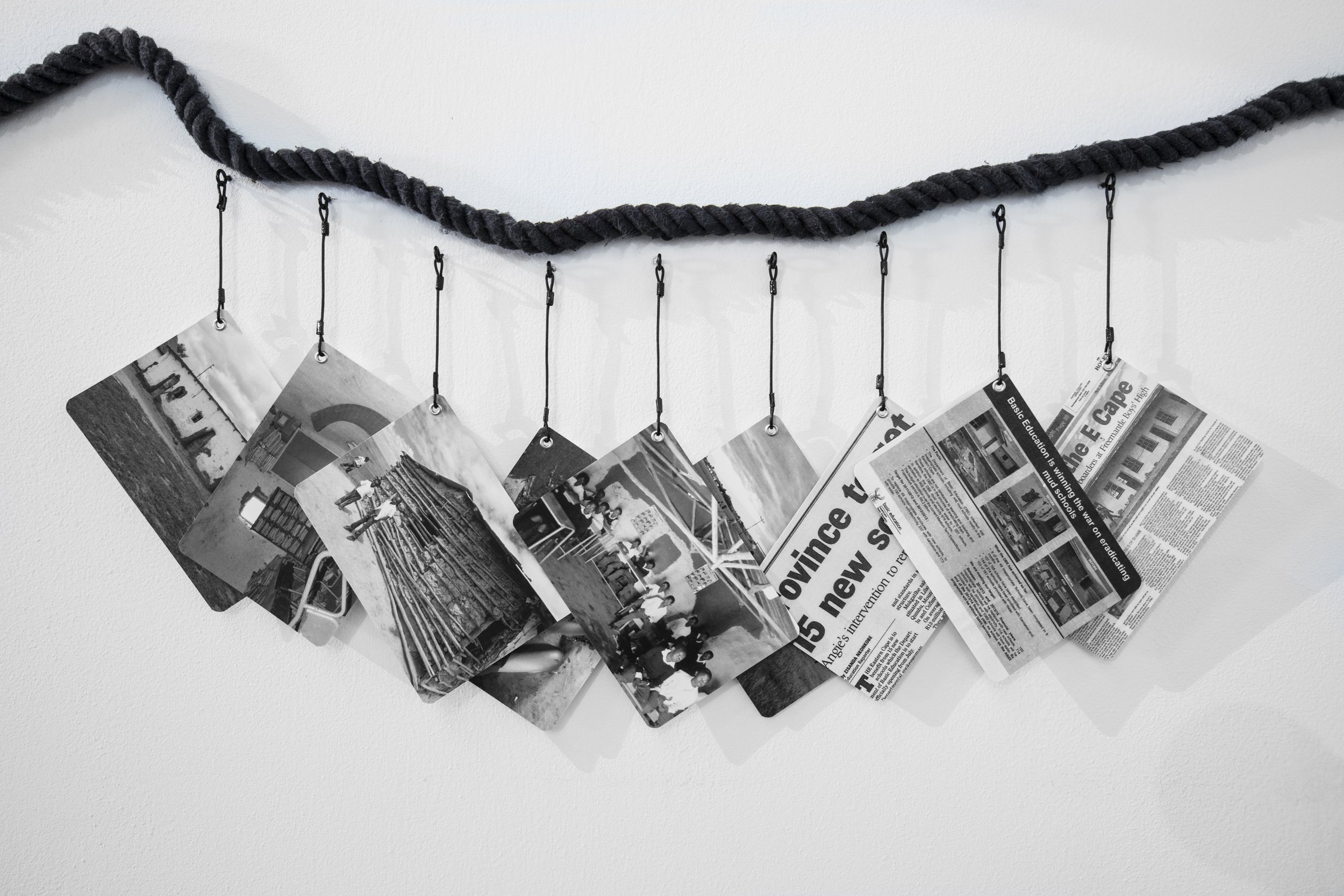
The story of the 50 schools project was presented in the form of a time line narrative, with all 50 models and typologies exhibited, supported by audio-visual media at the Arsenale, the historic exhibition space for individual exhibitors from various countries and continents.
The Beyond the River Exhibition remains a highlight of our Architectural journey!